Clean energy advice for Maryland homes, starting with the rebate that no longer exists
The flat residential rebate that most Maryland solar advice still quotes has been replaced — by a larger grant with an income test and a queue.
Maryland ran a simple, flat residential clean energy rebate for years. It was easy to explain, easy to budget for, and it is finished. The Maryland Solar Access Program took its place, and it is a different animal: considerably more generous per kilowatt installed, but restricted by household income and funded in annual rounds that have recently been fully subscribed well before their application windows closed.
The practical consequence is that a good many Maryland homeowners are working from numbers that no longer apply, in one direction or the other. Some are expecting a modest rebate that has gone; others qualify for far more than they realise and have never been told. Untangling that is the first useful thing we do.
Maryland at a glance
The old rebate has closed
The flat Residential Clean Energy Rebate concluded and no longer applies to new installations.
A larger, income-tested grant
Its replacement pays per kilowatt installed, up to a cap, for households under an income ceiling.
A real SREC market
Maryland’s renewable standard obliges suppliers to buy credits your system earns as it generates.
Full retail net metering
Exported power is credited at the retail rate by the state’s utilities.
Maryland’s headline incentive changed, and most advice has not caught up
The Residential Clean Energy Rebate concluded at the end of the 2025 fiscal year. The Maryland Solar Access Program replaced it, and the shape of the support changed completely: instead of a flat amount available to anyone, it pays per kilowatt of installed capacity up to a substantially higher cap, and it is limited to households below an income ceiling set against the state median.
It is also finite. The programme is funded a year at a time, and recent rounds have been almost entirely reserved months before their application windows closed. That makes two questions worth answering before anything else: whether your household qualifies at all, and whether the current round still has money in it. Neither is difficult to check, and both change the number at the bottom of a proposal.
What changed in Maryland
| Before: Residential Clean Energy Rebate | Now: Maryland Solar Access Program | |
|---|---|---|
| Status | Concluded at the end of FY2025 | The current programme |
| How it pays | A flat amount | Per kilowatt installed, to a higher cap |
| Income test | None | Household income ceiling applies |
| Availability | While the programme ran | Annual funding rounds that can be exhausted early |
SRECs are the part that keeps paying, whatever the grant does
Maryland’s renewable portfolio standard requires electricity suppliers to source a rising share of their power from solar, and they meet that obligation by buying Solar Renewable Energy Certificates. Your system earns one for every megawatt-hour it generates, and you can sell them.
Unlike New Jersey’s fixed-rate successor programme, Maryland’s credits are genuinely market-priced, so their value moves with supplier demand rather than being locked at registration. That makes them a real but variable income stream. We treat them the way we treat Pennsylvania’s equivalent — as something that improves a sound decision, not something that rescues a marginal one.
Five utilities, one crediting rule
BGE, Pepco, Delmarva Power, Potomac Edison and SMECO
Maryland’s utilities credit residential solar exports at the full retail rate. BGE covers Baltimore and much of central Maryland, Pepco the Washington suburbs, Delmarva the Eastern Shore, Potomac Edison the west, and SMECO is a cooperative serving southern Maryland. Your address decides which, and the crediting treatment is consistent across them — process and timelines are where they differ.
Registering for SRECs is a separate step
Interconnecting your system and registering it to earn tradable credits are two different processes, and the second is the one homeowners most often leave undone. Generation before registration does not earn credits retroactively, so it is worth handling promptly rather than eventually.
The grant and the credits are independent
Whether you qualify for the Solar Access grant has no bearing on whether you can earn and sell SRECs. Households above the income ceiling still have the credit market, full retail net metering and both tax exemptions — the grant is the only piece with a means test attached.
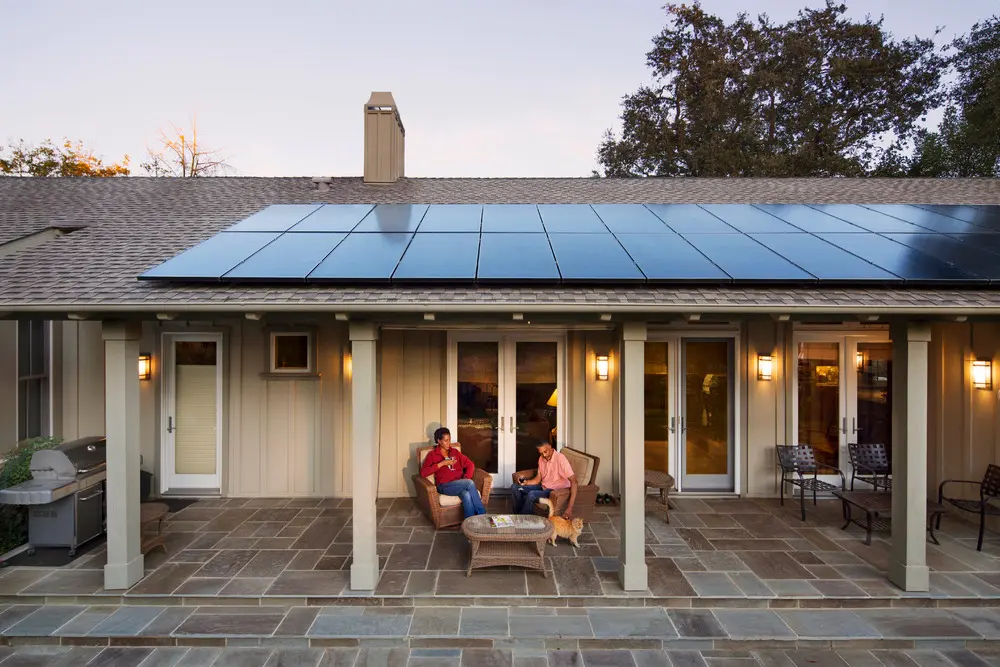
The order we recommend in Maryland
Maryland rewards checking eligibility before design, because the answer can change what you build. Our recommended order:
- Check the grant — both whether your household qualifies and whether the current round still has funding
- Assess the canopy — mature tree cover is the most common reason a Maryland roof underperforms its estimate
- Confirm your utility and interconnect — crediting is consistent, timelines are not
- Register for SRECs promptly — generation before registration does not count
Bay, canopy and rowhouses
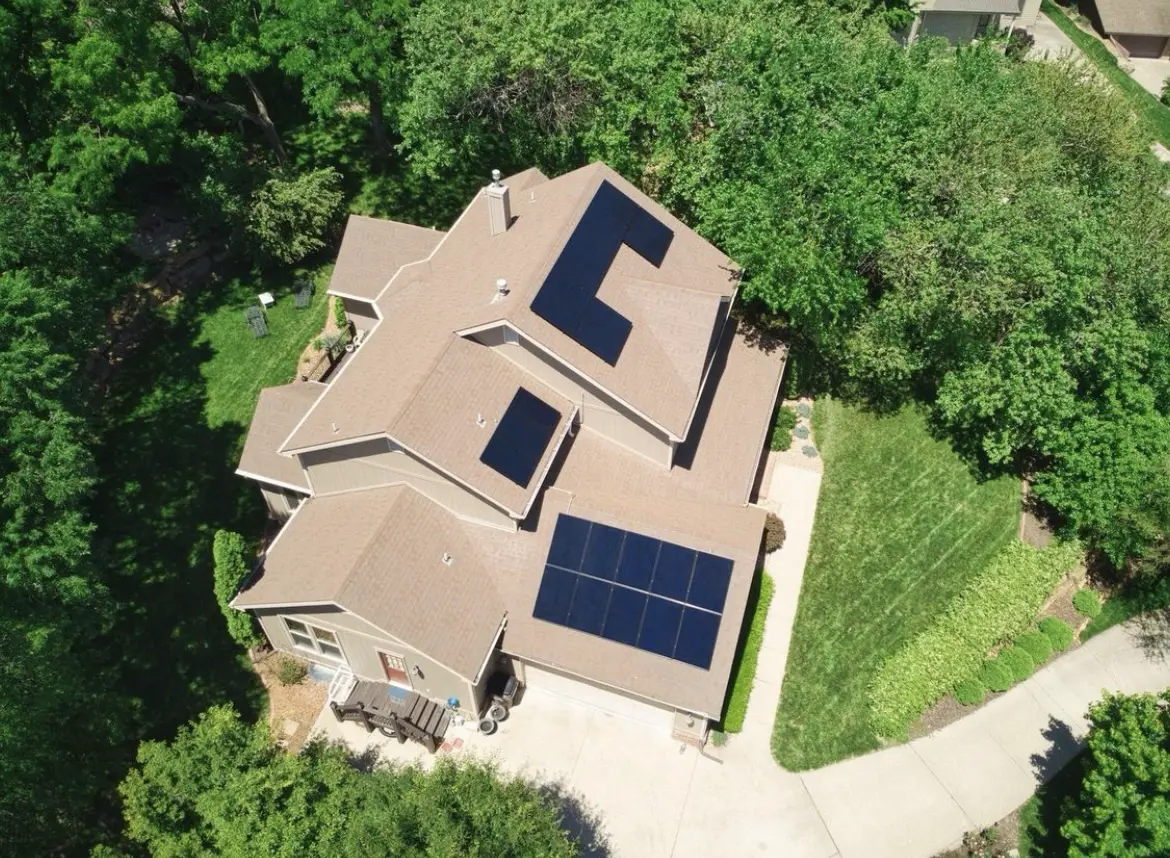
Maryland packs an unusual amount of variation into a small state. On the Eastern Shore, proximity to the Bay brings wind exposure and siting questions for ground equipment. In Baltimore, rowhouse roofs are flat, small and often shared at the party wall, which makes array layout a genuinely different exercise from a detached suburban roof.
Through Montgomery and Howard counties the limiting factor is almost always tree canopy on wooded lots — the same mature trees that make those neighbourhoods pleasant are what shade the roof from mid-afternoon. Out west the ground rises and winters bite harder. We would rather model your actual roof than a state average.
The services Maryland homeowners ask us about most

Battery and backup
Summer storms and winter ice both take Maryland lines down. Storage decides what keeps running. Explore storage
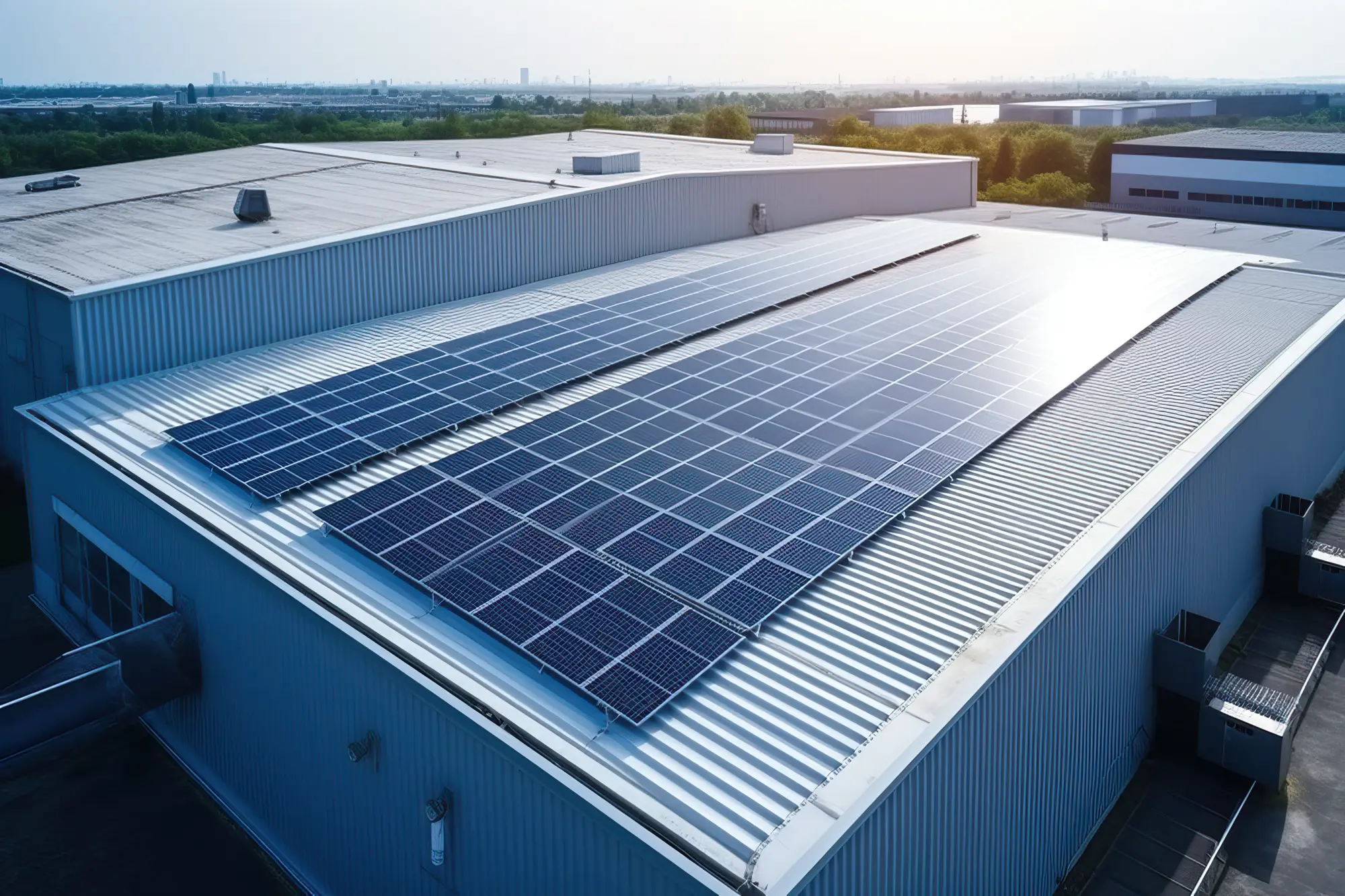
Roofs, and larger roofs
Older Maryland roofs often want work before mounting — replacement then array, with detach and reattach where one is already up. We advise on commercial roofs too.

Charging and control
Between the two metro areas Maryland has a lot of commuters. Home EV charging and smart controls keep that load off the expensive part of the day.
Maryland questions we hear most
Can I still get the old Maryland solar rebate?
No. The flat Residential Clean Energy Rebate concluded at the end of the 2025 fiscal year. The Maryland Solar Access Program replaced it, paying considerably more per kilowatt but only to households under an income ceiling, and only while the current funding round lasts.
What if my income is above the ceiling?
You lose the grant and nothing else. Full retail net metering, the SREC market and both the property and sales tax exemptions are open to every Maryland homeowner regardless of income. For many households those together still make the case comfortably.
How much is a Maryland SREC worth?
It is a traded market rather than a fixed rate, so the honest answer is that it moves. We will show you where it has been trading when we talk, and we size the decision so that it works without assuming the top of the range.
Will solar increase my property tax assessment?
No. Maryland exempts the added value from assessment, and unlike some neighbouring states it does not depend on a separate filing with your municipality.
If you are weighing solar, storage or an efficiency upgrade anywhere in Maryland, tell us your utility, roughly what you pay and how much tree cover you have. We will tell you which incentives you actually qualify for and what the rest is worth without them.