
Clean energy advice for Illinois homes, where the state’s solar payment travels through your installer
Illinois’s main solar incentive is paid to the company that installs your system rather than to you — so the contract you sign decides how much of it your household actually sees.
Illinois Shines, the programme run on behalf of the Illinois Power Agency, buys the SRECs a new home system will produce over its contract life. Your utility pays an Approved Vendor, usually the installer, and that company passes the value on as a lower price, a payment after switch-on, or some mix of the two.
There is no catch in that design; it is simply how the programme is built. It does mean two quotes for identical panels can carry very different value to you. Our advice is independent, so reading that part of the paperwork alongside you is where an Illinois conversation with us begins.
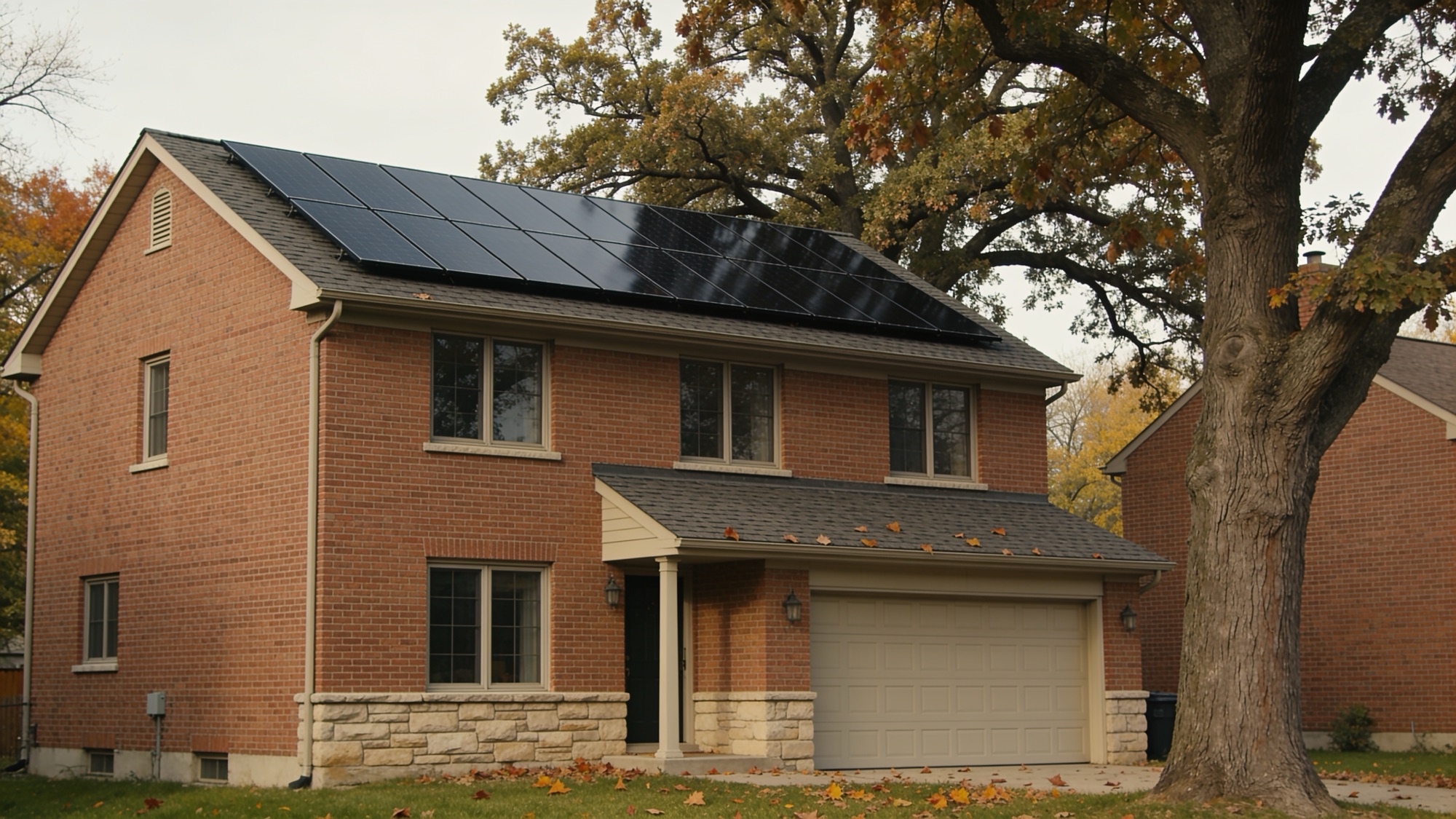
Four Illinois facts that shape a home system
SRECs bought in advance
Illinois Shines contracts for your system’s future SRECs, with a large share of the value arriving around switch-on.
Credits that never expire
Homes connected since the start of 2025 bank surplus against the supply part of the bill, with no annual reset.
A rebate at hookup
ComEd and Ameren Illinois each pay a one-time rebate, sized to your system, when it uses a qualifying smart inverter.
Storage tied to a rate choice
A home battery can earn its own utility rebate when you enrol in a time-based rate or peak-time programme.
Read the pass-through line before you compare prices
Every Illinois Shines home project runs through an Approved Vendor, a company the programme has vetted to apply on your behalf and to hold the credit contract. The utility pays that vendor for your system’s SRECs. What reaches you is whatever your agreement with the vendor says — a reduction in the system price, a payment after energization, or a split between the two.
The programme’s disclosure form has to explain how any promised pass-through will be delivered, and that is the page worth reading line by line. Since June 2026, small systems receive part of their incentive at energization and the rest in instalments over the following years, so timing matters as much as the headline total. Ask every installer to put both in writing and the quotes become genuinely comparable.
Where an Illinois system’s value comes from
| Source | Who pays it | How it reaches you |
|---|---|---|
| Illinois Shines SRECs | Your utility, through the state programme | Via your Approved Vendor, on the terms in your contract |
| Smart-inverter rebate | ComEd or Ameren Illinois | A one-time payment after the system is energized |
| Net metering credits | Your utility | Against the supply part of later bills, with no expiry |
| Homeowner-owned bonus | Illinois Shines | Added SREC value on owned systems that claim no federal credit |

Supply-side credits that keep their value
Illinois reshaped net metering for systems connected from the start of 2025. Under the state’s 2021 clean energy law, surplus power you export now earns credit against the supply section of your bill, while older systems keep crediting across supply, delivery and taxes together.
Two features balance the change. The new credits carry forward indefinitely instead of being wiped at an annual true-up, so a bright July can genuinely pay toward a grey January. And the same reform created the smart-inverter rebate, moving more value to the front of the project. Together they reward a system sized to your real yearly usage, with as much daytime consumption as your household naturally has.
Whose wires reach your house decides the rulebook
ComEd and Ameren Illinois
ComEd serves Chicago and most of northern Illinois; Ameren Illinois covers much of the centre and south. Both apply the supply-side netting rules to newer systems, both run the smart-inverter and storage rebates, and both follow the Illinois Commerce Commission’s interconnection standard, under which most home systems qualify for the simplest, expedited review.
MidAmerican Energy in the Quad Cities
On the Illinois side of the Quad Cities, around Moline and Rock Island, MidAmerican Energy delivers the power. It answers to the same state commission but publishes its own net metering tariff and application forms, so we read its current terms directly rather than assume they mirror ComEd’s.
City utilities and electric cooperatives
Springfield, Naperville and a number of other cities run their own electric systems, and rural cooperatives serve wide stretches of the state. Each sets its own interconnection and crediting policy, and the utility rebates above are ComEd and Ameren Illinois programmes, so at these addresses the local policy is the first thing we pull.

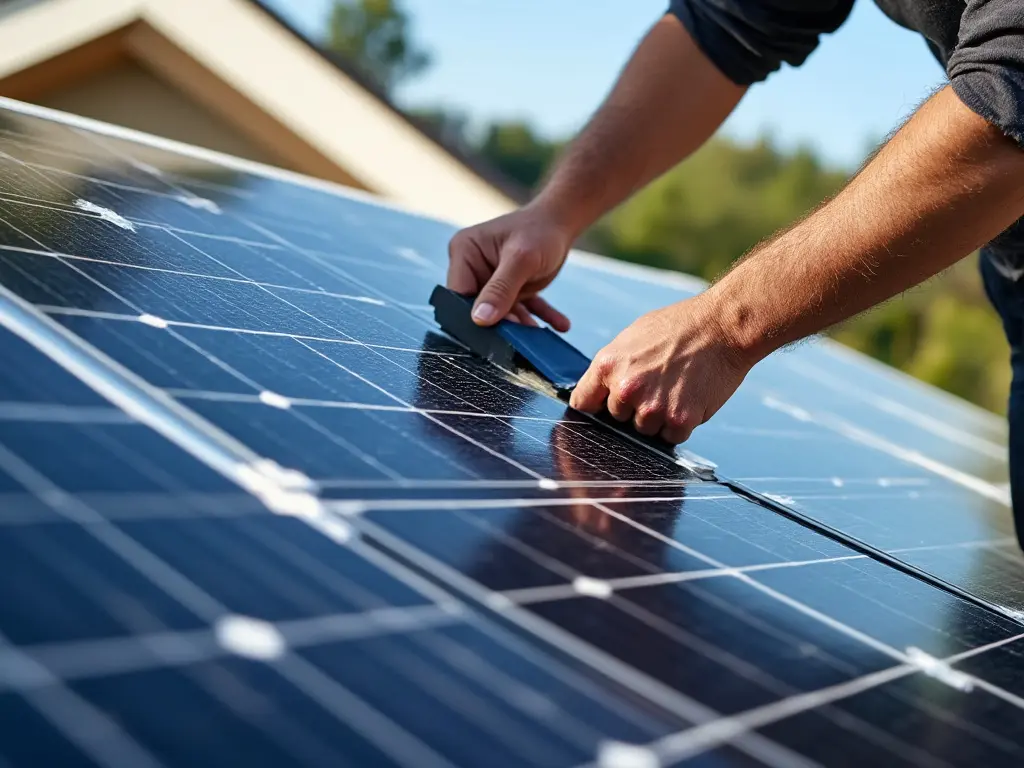
From your bill to switch-on, in the Illinois order
Illinois rewards handling the paperwork in the right sequence. Here is how we take a project through:
- Identify your utility — ComEd, Ameren Illinois, MidAmerican, a city system or a co-op each brings different terms
- Size to a full year of use — credits that never expire make annual consumption, not one month, the right target
- Compare vendors on pass-through — identical equipment can carry very different Illinois Shines value to you
- Confirm the inverter and rebate paperwork — the utility rebate depends on both, and adding a battery brings a rate decision
Designed for prairie weather in every season
Most Illinois homes carry asphalt shingle on bungalows, ranches and suburban two-storeys, and the open prairie gives many of those roofs long, unshaded exposure to the sun. We specify racking and attachment for the snow and wind that come with a Midwestern winter, and lay out arrays so snow slides clear and production returns quickly after a storm.
Summer is when the grid works hardest, with air-conditioning peaks and the fast-moving thunderstorms the Midwest knows well. A system planned around that pattern pairs naturally with a battery, which keeps essentials running and positions you for the storage rebate. In Chicago’s dense neighbourhoods we design around tighter roofs and taller neighbours; downstate, larger lots often open up more layout choices.
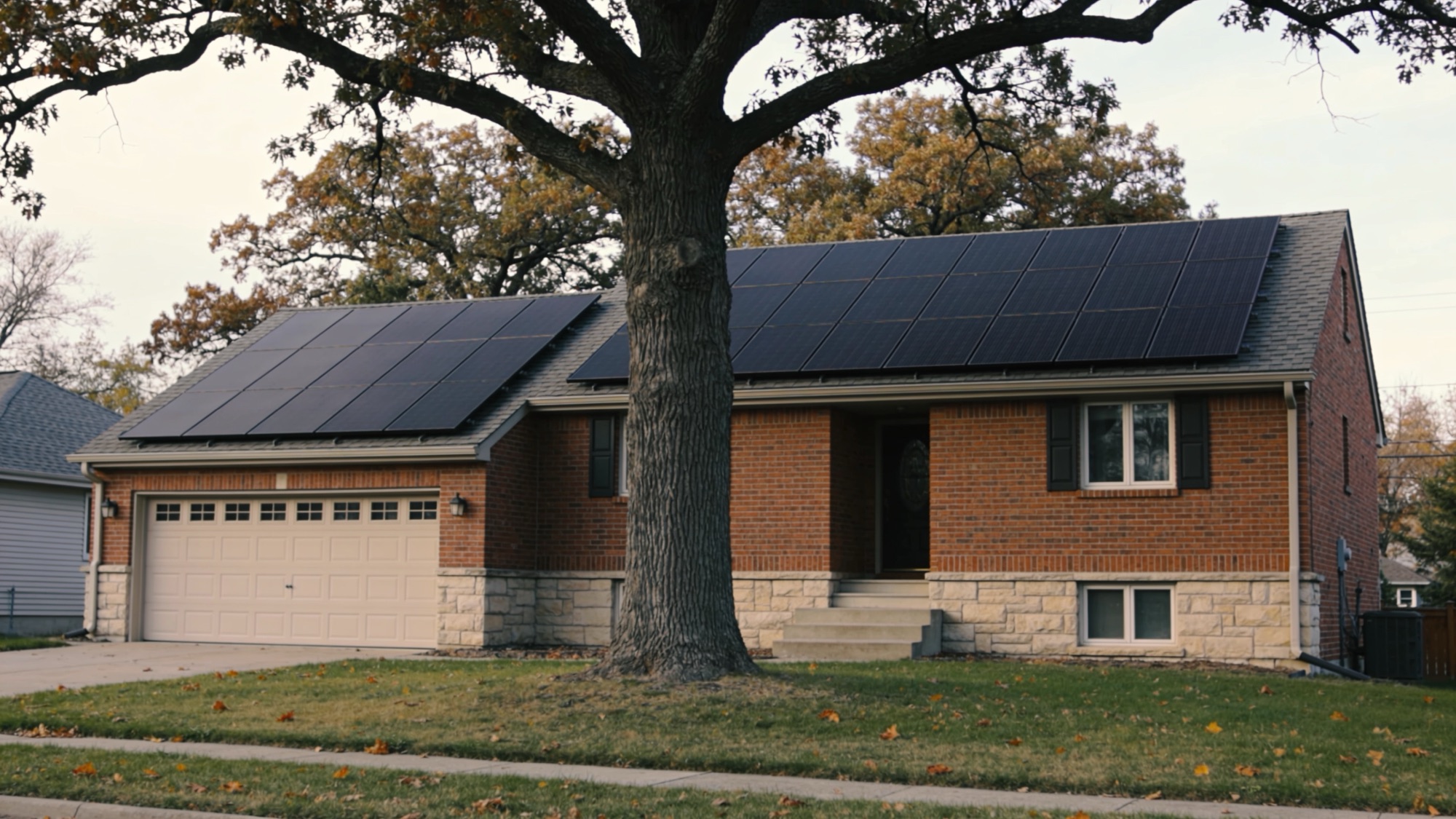
What Illinois homeowners bring to us most

Battery and backup
Midwest storms can bring lines down in July and January alike. A battery keeps essentials on, and with ComEd or Ameren it can earn a storage rebate alongside a time-based rate. Explore storage
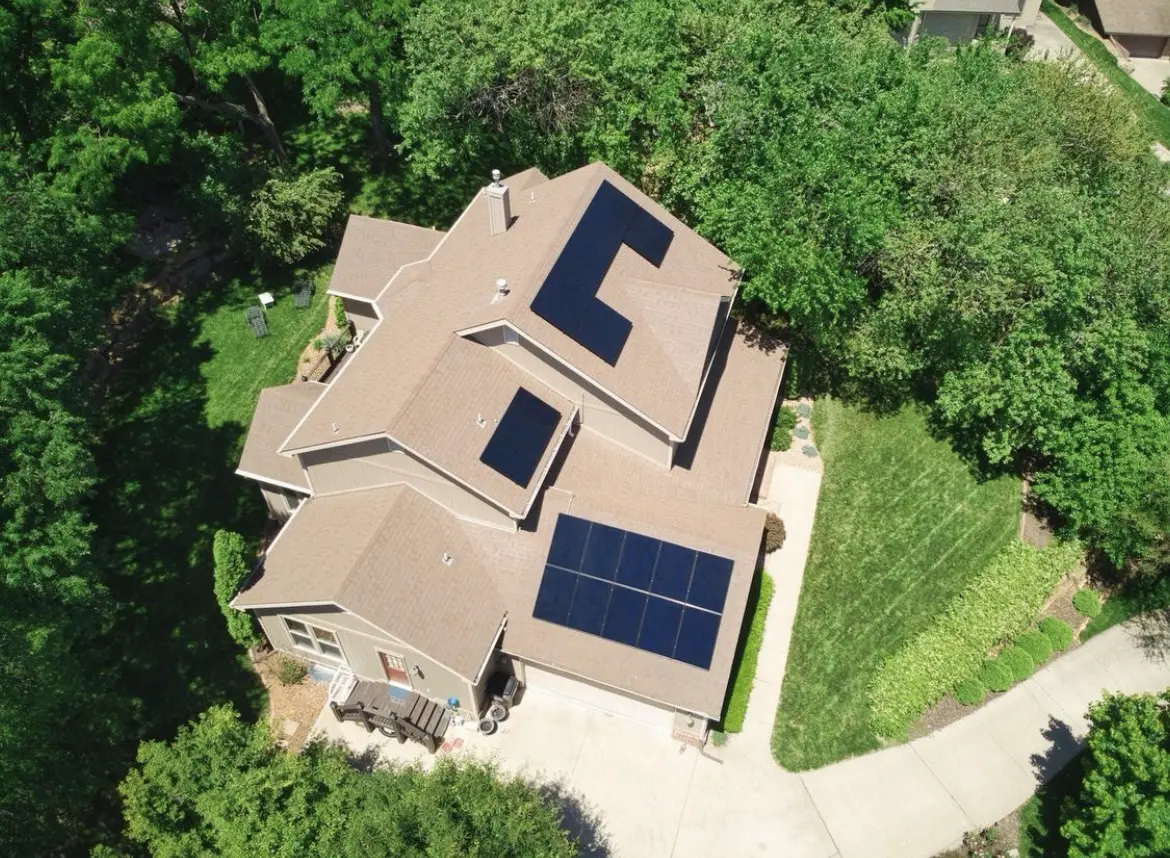
Roofs and re-roofing
Panels belong on a roof with decades left in it. Energy-efficient roof replacement comes first where one is due, and detach and reattach handles re-roofing beneath an existing array.
Charging and control
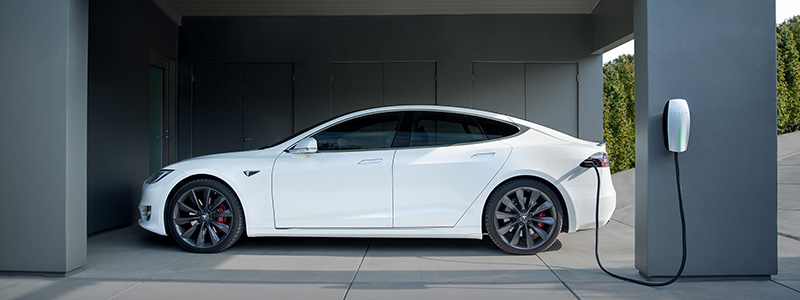
With exports credited against supply, charging the car from your own midday production is worth arranging. Home EV charging and smart controls schedule it around the array.
Questions Illinois homeowners ask first
Do I receive the Illinois Shines payment myself?
Usually not directly. The programme pays your Approved Vendor, who passes value to you in whatever form your contract sets out — a lower price, a later payment, or both. Ask each installer for the disclosure form and compare those pages side by side.
Is there still a solar incentive now the federal credit has ended?
Yes. Illinois Shines, the smart-inverter rebate and non-expiring net metering credits are all state or utility mechanisms. For the 2026–27 programme year, Illinois Shines also adds SREC value for homeowner-owned systems that receive no federal tax credit.
Will solar change my property tax assessment?
Illinois lets you request a special solar valuation by filing Form PTAX-330 with your county’s chief assessment officer, along with your installation receipts. It is a separate step from interconnection, and we will point you to your county’s version.
Is there help for income-qualified households?
Illinois Solar for All brings rooftop solar to income-eligible homeowners with no upfront cost and its own consumer protections. We can tell you whether your household is likely to qualify before you weigh it against a standard purchase.
If you are considering solar, a battery or a new roof anywhere in Illinois, send us your utility, a year of usage and any quotes you already hold. We will show you what each one really passes through to you, and how the picture changes once storage is added.