Clean energy advice for North Carolina homes, designed around the power you keep
In Duke Energy territory, a kilowatt-hour your home uses is worth more than one it hands back at the end of the month — so the best North Carolina systems are built around your own consumption, not the size of your roof.
Both of Duke’s residential solar riders settle your account monthly. Solar you use as it is produced, or store and use later, offsets power at your full retail rate. Whatever surplus is left when the month closes is credited at the utility’s avoided-cost rate, which is set well below retail, and nothing banks forward to the next month.
So design is where a North Carolina project is won. Orientation, daytime load, a battery and your rate schedule all change what each panel earns, and our independent advice sizes for how your household really uses power.
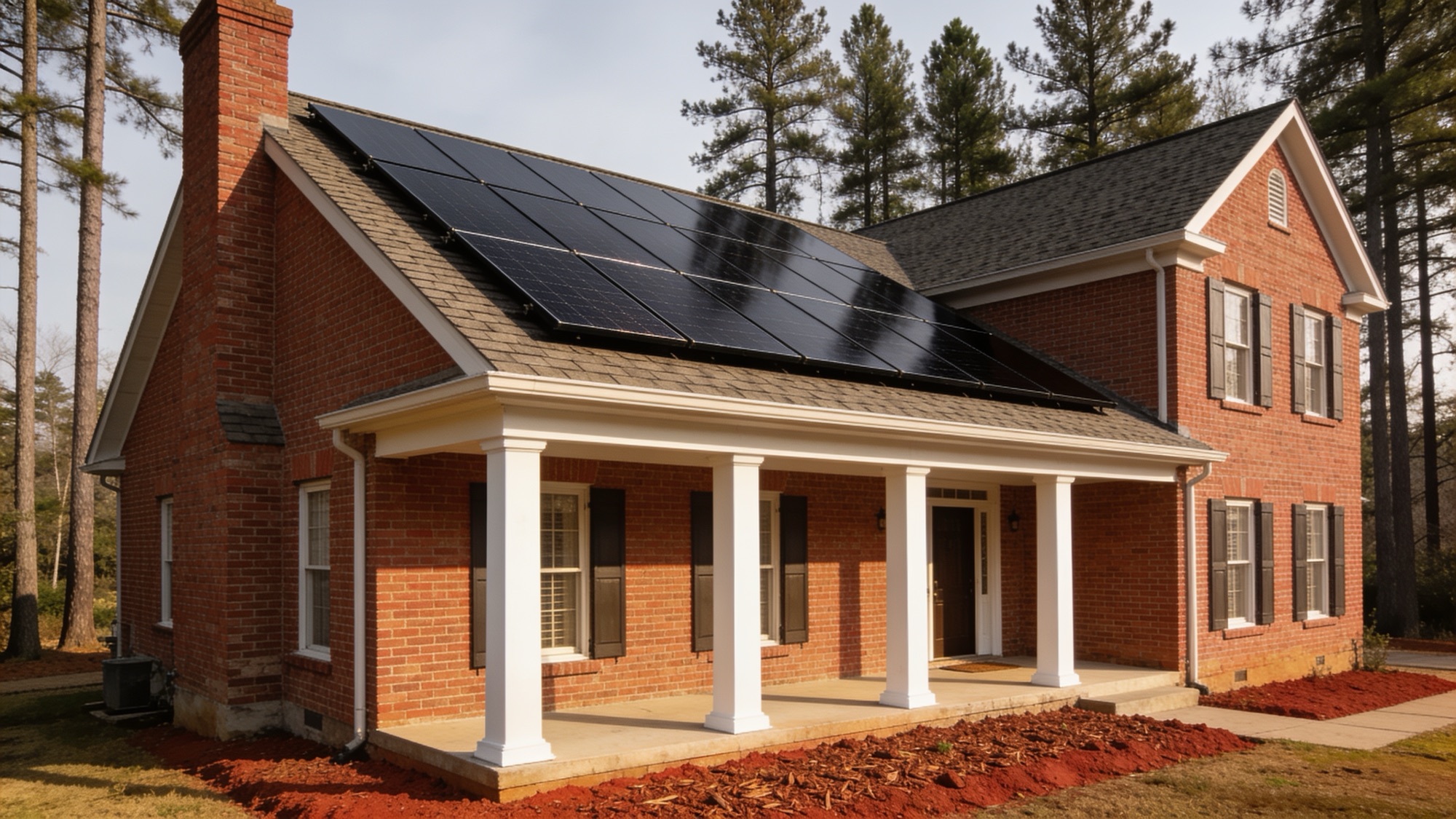
Four things that shape a North Carolina project
Monthly netting
Usage and generation are matched inside each billing month; leftover exports earn the avoided-cost credit.
Two Duke riders
The Net Metering Bridge rider and Residential Solar Choice, which pairs solar with a time-of-use rate.
Most of the value untaxed
State law excludes most of a solar system’s appraised value from property tax.
Storage is rewarded
Duke has paid one-time incentives and monthly bill credits for batteries it can call on at peak.
Why self-consumption is the whole game here
Under the riders the North Carolina Utilities Commission approved in 2023, the most valuable thing your array can do is cover a load in your own house. Each unit of solar that runs the air conditioning on a July afternoon, or charges a battery for the evening, displaces a unit you would otherwise have bought at retail.
Exports still count — within the month they net against what you draw from the grid. It is only the surplus remaining at month end that drops to the lower avoided-cost credit. A west-leaning array, an EV charger on a timer or a battery that soaks up midday output can each lift the return without adding a panel.
Duke’s two solar riders side by side
| Net Metering Bridge (Rider NMB) | Residential Solar Choice (Rider RSC) | |
|---|---|---|
| Rate schedule | A standard or time-of-use residential rate | Must be a time-of-use rate with critical peak pricing |
| How exports net | Against usage in the same month | Against usage in the same time-of-use period, each month |
| Month-end surplus | Credited at the avoided-cost rate | Credited at the avoided-cost rate |
| Who can join | Capped each year; closes to new applicants on 1 January 2027 | The default rider for new systems |
| How long it lasts | Up to fifteen years from your interconnection application | Ongoing |
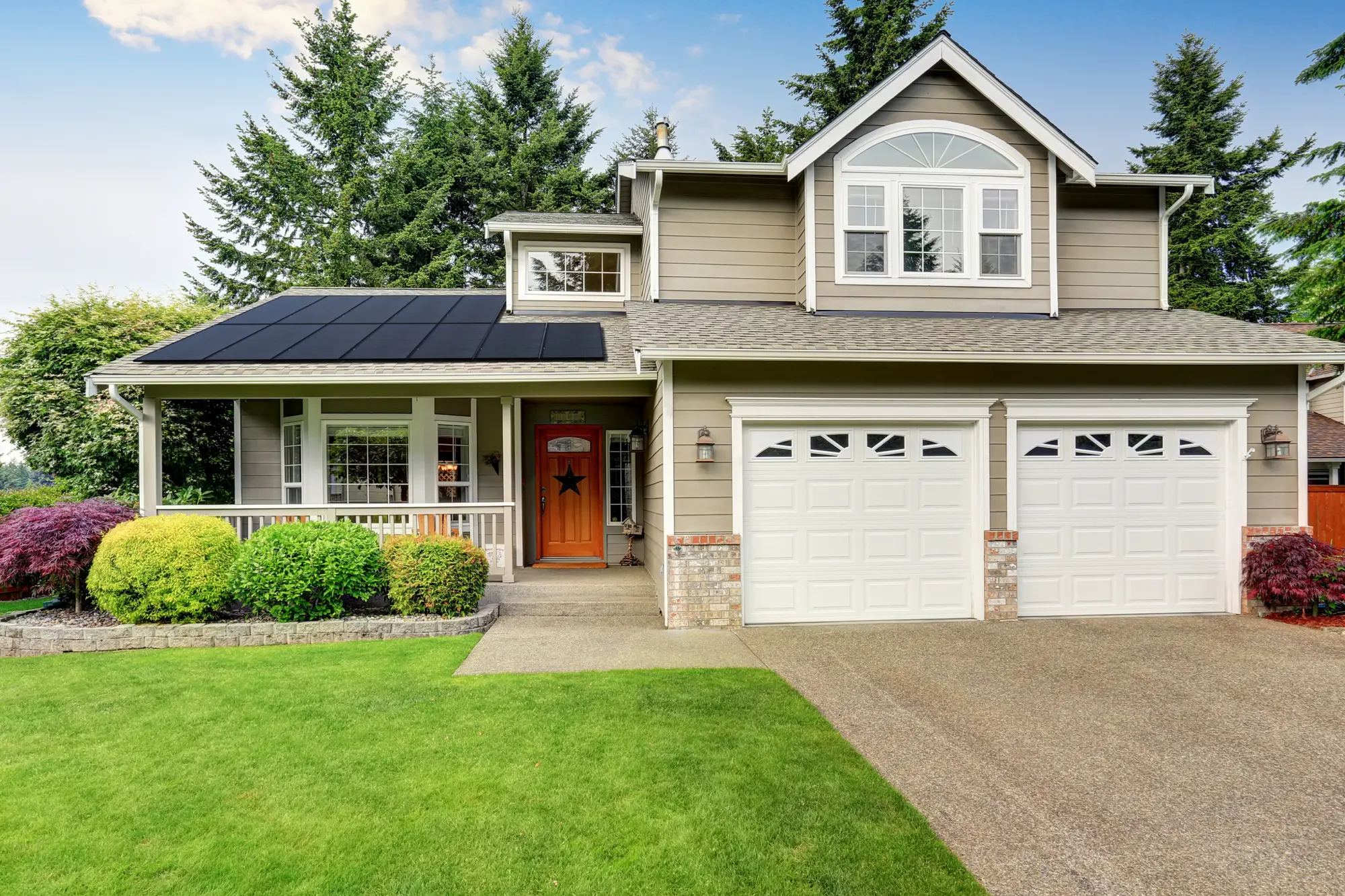
A property-tax rule that works quietly in your favour
North Carolina’s own solar income tax credit ended years ago, and the federal residential credit is gone too. The tax benefit that remains sits with your county instead.
Under General Statute 105-275, most of the appraised value of a solar electric system is excluded from property tax, so the panels on your roof add only a small slice to what the county assesses. Bills to change that exclusion have been introduced at the General Assembly; none has become law, and we check where they stand before we put a number on your project.
Who keeps your lights on decides the rules
Duke Energy Carolinas and Duke Energy Progress
Most North Carolina homes are served by one of Duke’s two utilities: Duke Energy Carolinas around Charlotte, Durham and the Triad, and Duke Energy Progress across Raleigh, the east and the Asheville region. Both offer the same pair of solar riders under Commission rules, with a residential system limit of 20 kW AC or your estimated maximum monthly demand, whichever is lower.
PowerPair and battery control credits
PowerPair is Duke’s solar-plus-storage incentive: a one-time payment for a qualifying array and battery installed by a Duke trade ally, with capacity capped by the Commission and allocated territory by territory. Batteries can also earn monthly bill credits when you let Duke draw on them during peak events. Availability shifts, so we check before counting on it.
Dominion, cooperatives and municipal systems
Dominion Energy North Carolina serves the northeast corner of the state under its own net metering tariff. Electric membership corporations and municipal utilities are outside the Commission’s rate regulation and set their own terms — they are not required to offer net metering, though some do. We confirm which one is on your meter first.

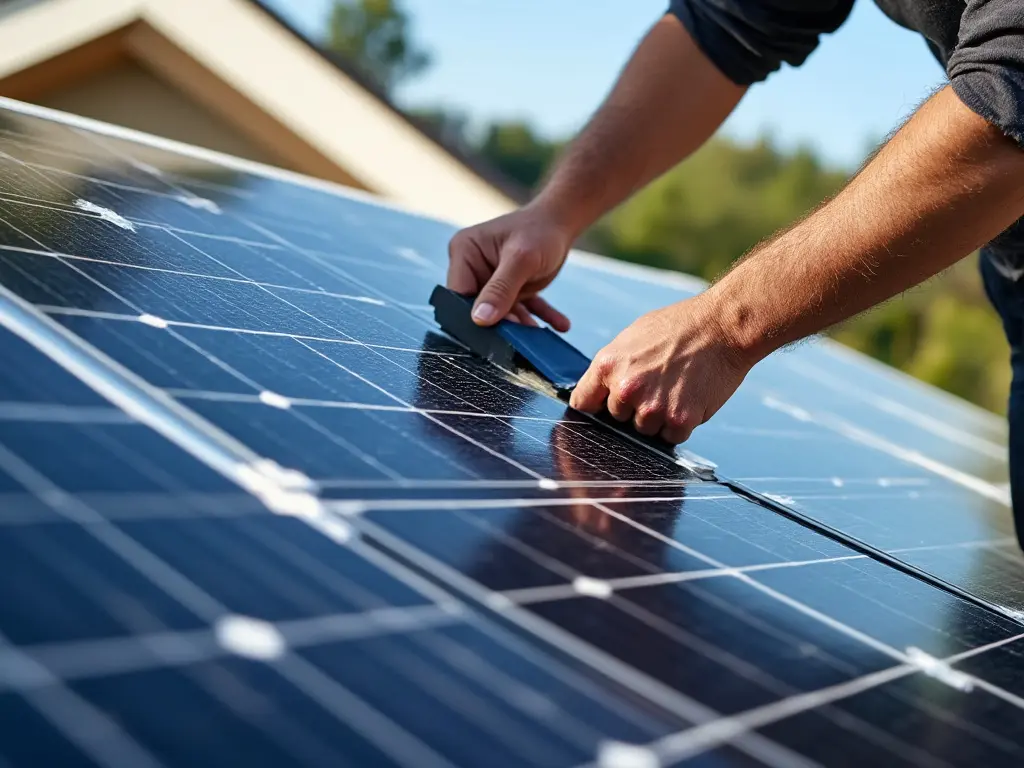
How we take a North Carolina home from bill to design
Here the paperwork date and the usage profile matter as much as the roof. The sequence we follow:
- Identify your utility — Duke, Dominion, a cooperative or a town system each brings a different rulebook
- Read a year of usage by hour, not just by month — it shows how much solar your home can absorb directly
- Pick the rider and rate schedule together — for Duke customers the interconnection application date decides which riders are open
- Size the array and any battery to that profile — then check what PowerPair or battery credits are open at the time
Mountains, Piedmont and coast: one design brief each
From the Blue Ridge to the Outer Banks, North Carolina offers three building climates, and we design for each. In the mountains that means steeper pitches and racking rated for snow and ice.
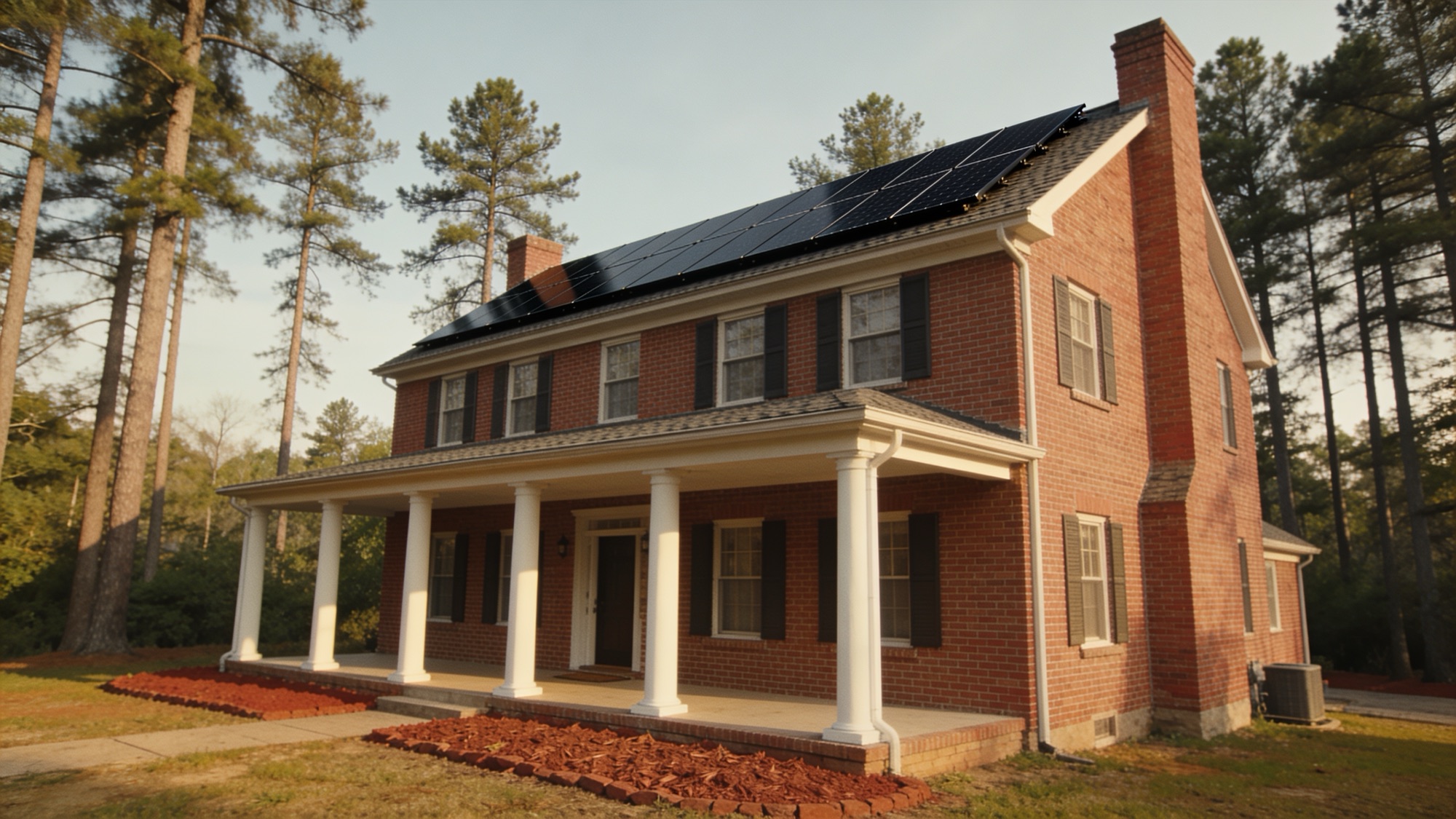
Across the Piedmont, tall pines and hardwoods surround many lots, so we map shade through the seasons and choose the roof planes that see the most afternoon sun. Along the coast, wind-rated mounting and equipment placed above flood level are part of the standard specification, not an add-on.
Where North Carolina homeowners start with us
Battery and backup
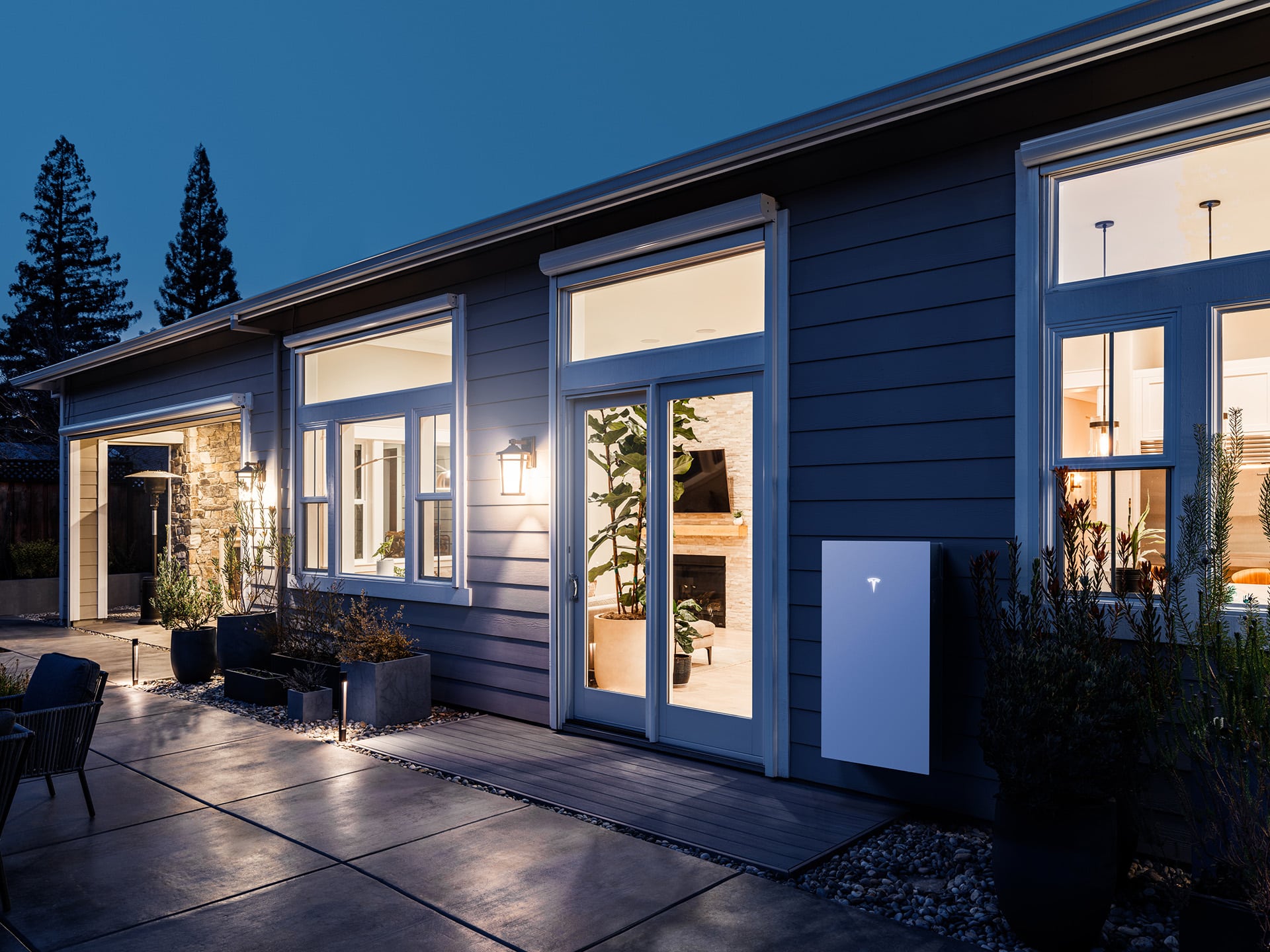
A battery here does two jobs: it stores midday solar for the evening and keeps essentials running when hurricane season or an ice storm takes the lines down. Explore storage
Roof first, then array
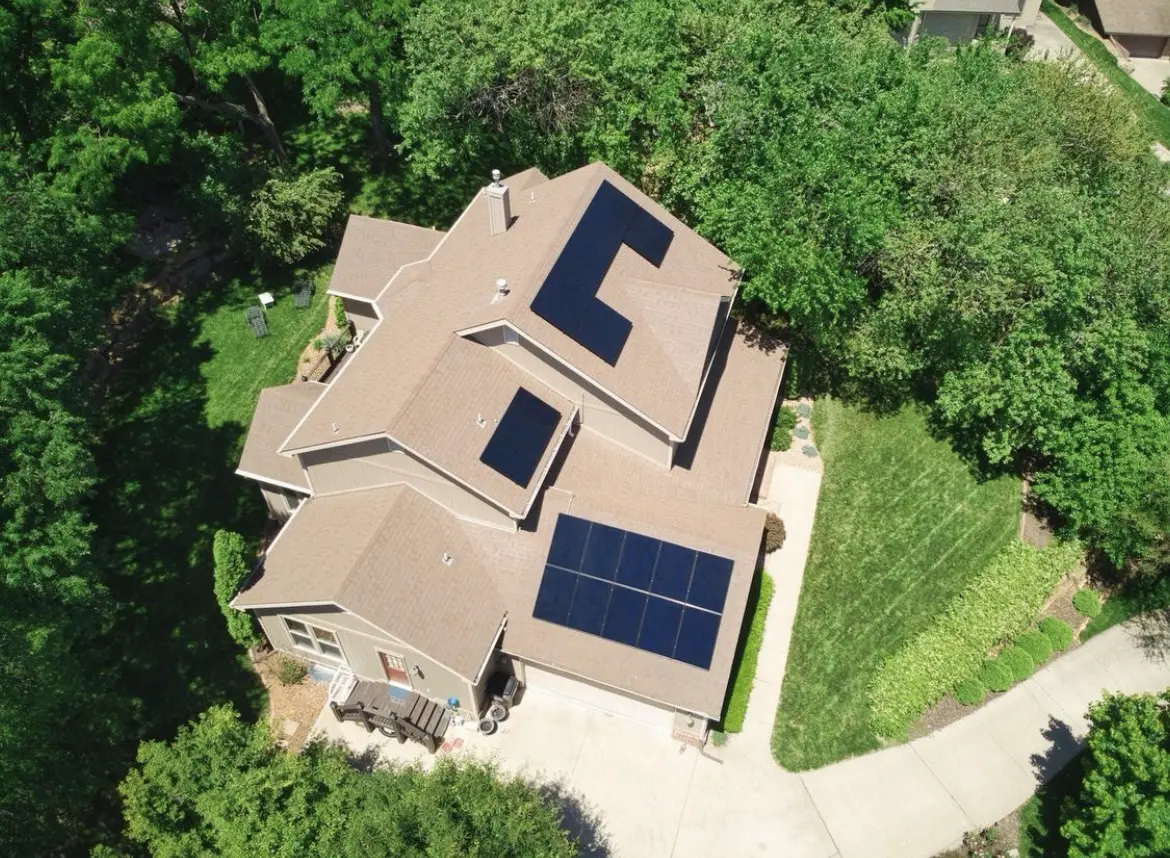
If your shingles are midway through their life, it is worth timing a roof replacement before mounting, with detach and reattach for an array that is already up.
Charging and control
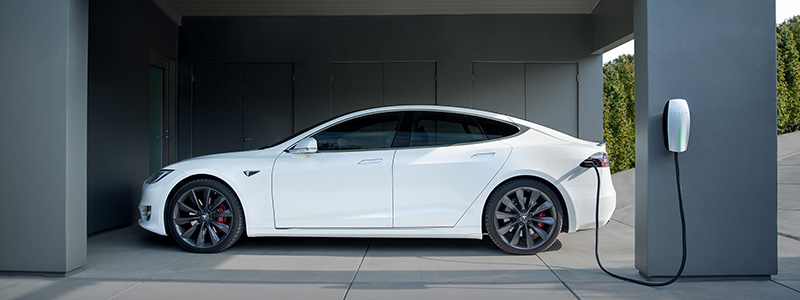
Moving the EV charge, the water heater and the pool pump into sunny hours raises self-consumption. Home EV charging and smart-home controls make that automatic.
Answers for North Carolina homeowners
Can I still get Duke’s Net Metering Bridge rider?
Only if your interconnection application reaches Duke before 1 January 2027 and that year’s capacity has not filled. Capacity is reserved when a valid application is submitted, not when panels go up, so the application date is what counts.
Is time-of-use pricing bad for solar owners?
Not when the system is designed for it. Residential Solar Choice nets your exports against usage in each pricing period, so production that lines up with peak hours — or a battery that covers them — carries real value. The design work is matching the array and storage to those windows.
Does North Carolina have a state solar tax credit?
Not any more. The state credit ended years ago and has not been reinstated. What remains on the tax side is the property tax exclusion, which keeps most of a solar system’s value off your assessment.
I am on a cooperative. Do Duke’s riders apply to me?
No. Cooperatives and municipal utilities set their own solar terms, which can be quite different from Duke’s. We read your provider’s current policy and design to it. Running a farm or small business on a cooperative line? The same review covers commercial meters.
If you are weighing solar, storage or an efficiency upgrade anywhere in North Carolina, send us your utility, a recent bill and roughly when your household uses the most power. We will show you how much of your own solar you can keep, which rider fits and what a battery would add.