
Clean energy advice for Michigan homes, sized for the electric car and heat pump still to come
Michigan’s 2023 energy law widened the state’s rooftop programme and lets a home system be sized a little beyond last year’s electricity use — so you can build now for the house you will be running in a few years.
Public Act 235 rewrote the rules for customer-owned generation in Michigan. It raised the ceiling on rooftop capacity each regulated utility must take on, and changed the sizing test so a home array may produce somewhat more than the household used in the previous twelve months. The Michigan Public Service Commission approved the resulting utility tariffs in March 2025.
For a state where many households heat with gas today and are eyeing heat pumps, induction cooking and an EV, that extra headroom is the part worth planning around. Our advice is independent, so we map the loads you expect to add and design a system that will still fit your home once they arrive.
The Michigan rules behind every estimate
Headroom built in
A home system may be sized slightly above your previous year’s consumption, leaving space for new electric loads.
A wider programme
The 2023 law raised the ceiling on customer generation each regulated utility must accept.
Two meter readings
Power you draw is billed at your normal rate; surplus you export earns a separate outflow credit.
Assessment left alone
The value a qualifying home system adds stays out of your assessment until the property changes hands.
Your past year sets the limit, so sequence matters
Michigan measures a home’s allowance against its actual consumption over the twelve months before you apply. That test looks backwards: a household about to add an electric car or a heat pump will soon use more power, and the rule only sees it once it reaches the meter history.
The practical answer is to plan the order of your projects. Where a new electric load is already on the way, bringing it in ahead of the solar application lets the allowance reflect it. Where it is further off, we lay out the roof so a second phase can be added cleanly later.
Michigan home solar after the 2023 law
| What the rule says | Why it matters to you | |
|---|---|---|
| Programme ceiling | Raised substantially for every regulated utility | Room for new applicants across the state |
| System size | Up to slightly more than your past year’s use | Space for a future EV or heat pump |
| Billing | Inflow at your retail rate; outflow at a tariff credit | Power used at home carries the most value |
| Unused credit | Carried forward to later bills | Sizing works across the whole year |
| Property assessment | Added value disregarded until a sale | No higher tax bill from the panels while you own the home |
Afternoon peaks reward a west-leaning roof
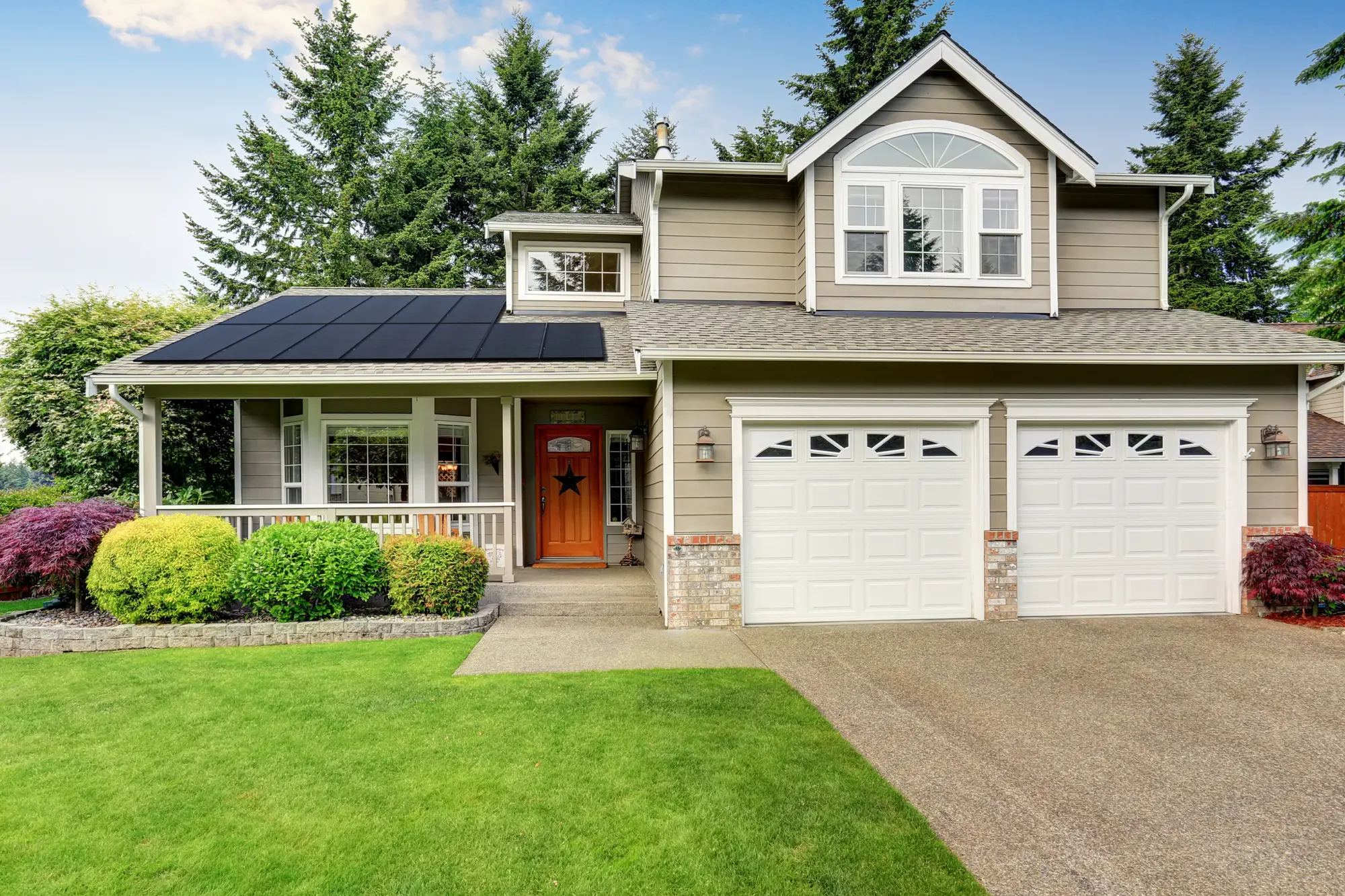
Most homes on DTE’s standard residential rate now pay a time-of-day price with a weekday peak in the late afternoon and early evening, and Consumers Energy applies a summer peak to its standard residential customers over a similar stretch of the day.
Panels facing due south make the most energy over a whole day, but arrays that also take in the western sky keep producing further into that peak window. On many Michigan homes the strongest answer combines the two, or pairs a south-facing array with storage. We compare those layouts against your rate schedule before anyone commits.
Seven investor-owned utilities, one programme, different credits
DTE Electric and Consumers Energy
The state’s two largest utilities cover most of the Lower Peninsula — DTE across the southeast including metro Detroit, Consumers Energy across much of the rest. Both bill solar homes on inflow and outflow, but their outflow credits are calculated differently, so the same roof can earn different credits on either side of a service boundary. DTE banks unused credit without an expiry date.
Indiana Michigan Power and the Upper Peninsula utilities
Indiana Michigan Power serves the southwest corner of the state, while the Upper Peninsula is split among Upper Peninsula Power, Upper Michigan Energy Resources and Northern States Power, with Alpena Power in the northeast Lower Peninsula. Each runs a commission-approved distributed generation tariff on the same two-flow principle, with its own credit values and paperwork.
Cooperatives and city-owned utilities
Member-owned cooperatives such as Great Lakes Energy, and municipal utilities such as the Lansing Board of Water & Light, set generation terms through their own boards. Their terms often look familiar but the numbers differ, so the name on your bill is the first thing we ask for.
Our sequence for Michigan homes
Sequencing is where Michigan’s sizing rule pays off, so our process runs like this:
- List the loads you plan to add — an EV, a heat pump, induction cooking — and roughly when
- Time the application — new electric loads already in your usage history raise the size you may connect
- Confirm your utility’s tariff — outflow credits and interconnection steps vary by provider
- Aim at the late-afternoon peak — panel orientation and battery capacity chosen against your rate schedule
One state, two peninsulas, and a design for each
Michigan stretches from the Detroit suburbs to Lake Superior. In the far north, June days run long and bright, and a steeper tilt both catches the low winter sun and lets snow slide clear. Along the western shoreline we build lake-effect cloud into production estimates from local weather records instead of a statewide figure.
Cold is an ally for the panels themselves, which convert light more efficiently in low temperatures. Batteries and inverters prefer shelter, so we site them in a garage or basement where Michigan winters will not slow them down, and we confirm mounting is rated for your county’s snow load.
What pairs well with solar in Michigan
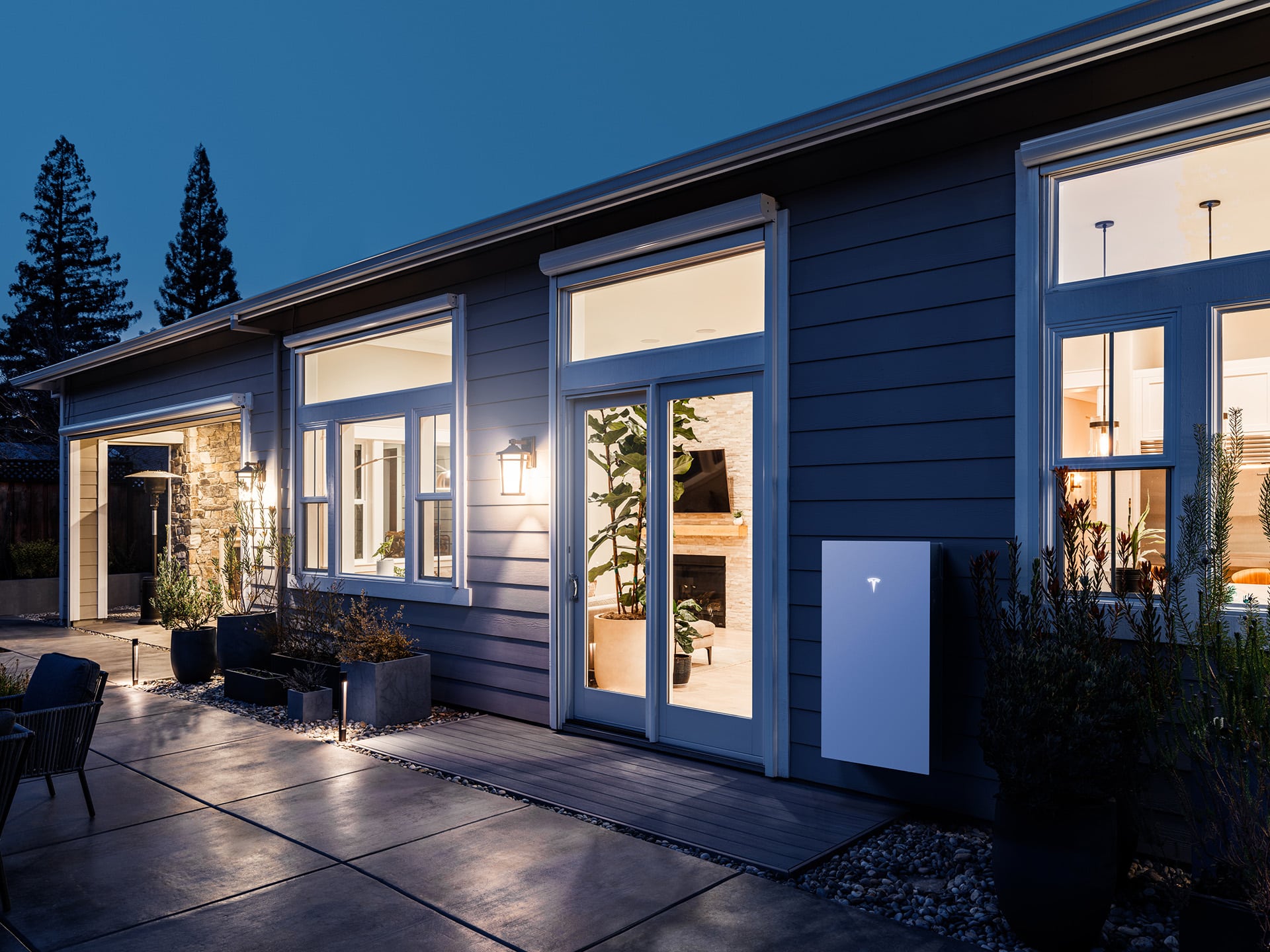
Power that stays on
Michigan now requires automatic bill credits after long outages, but a battery does the more useful thing: it keeps heat, water and the refrigerator running, then covers the evening peak on ordinary days. Explore battery storage
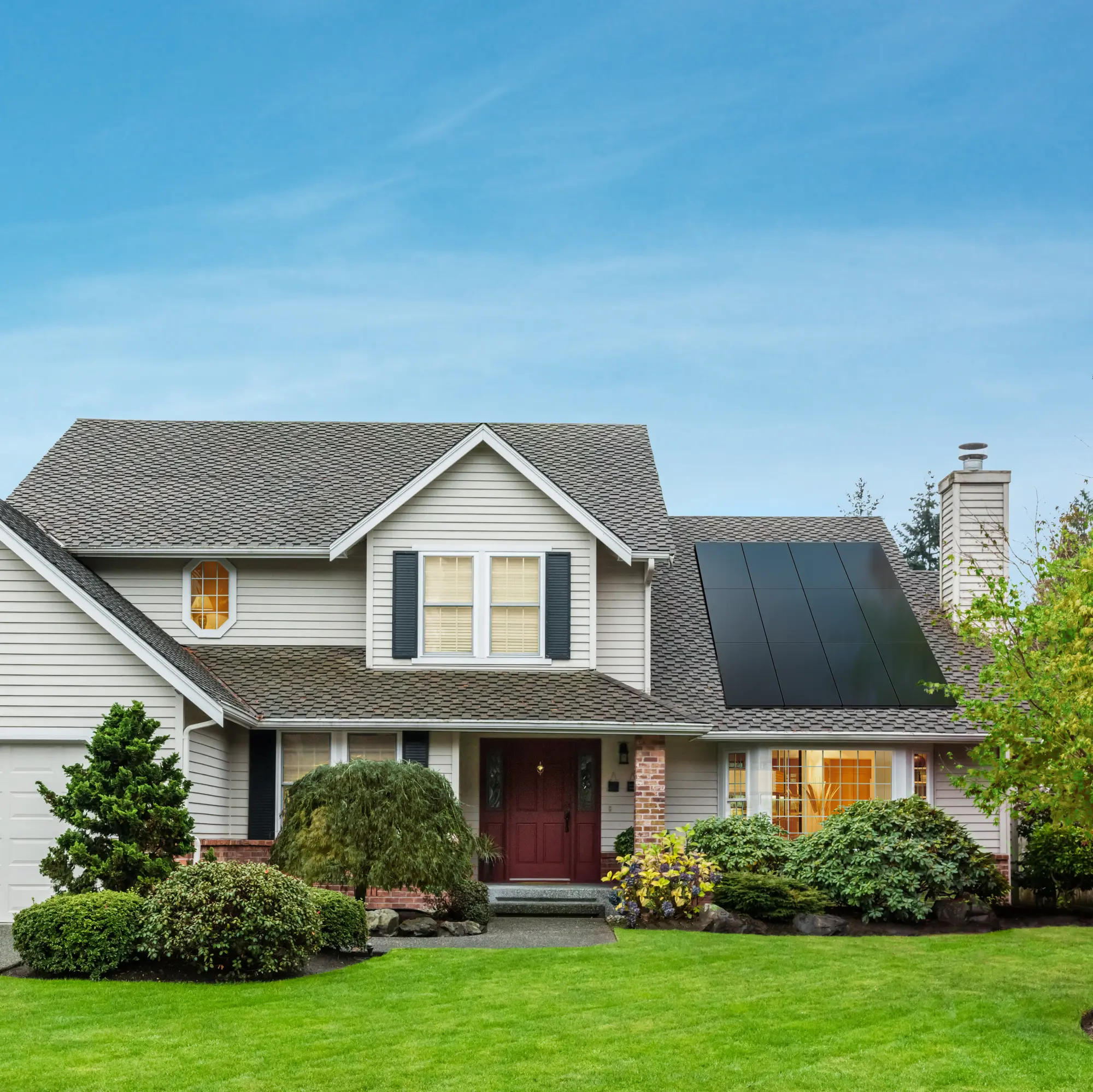
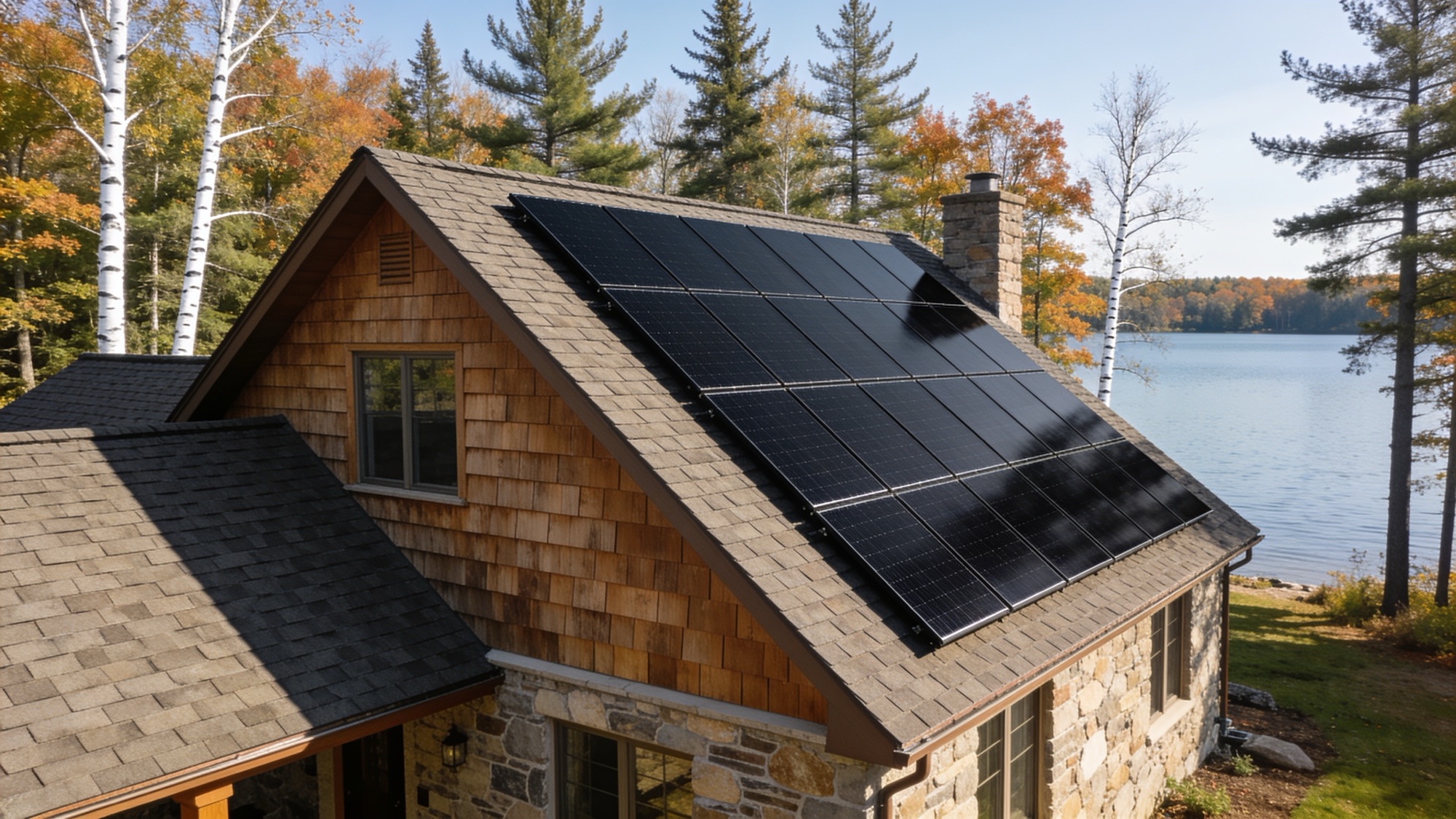
Roofs ready for decades
Freeze-thaw cycles are hard on shingles, so we check the roof first and plan a roof replacement where one is due. Already have panels? Detach and reattach keeps them in service.
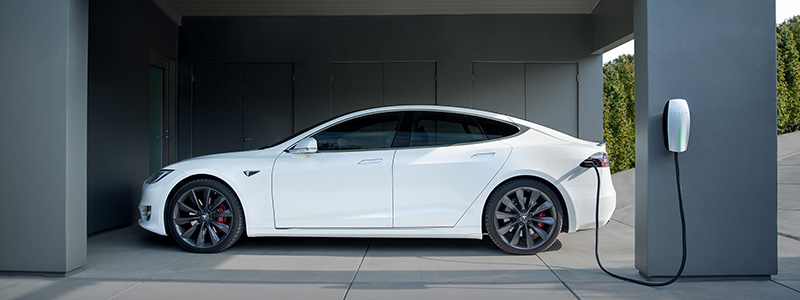
The EV that grows your allowance
A charger installed before you apply puts its use into the history Michigan sizes against. Home EV chargers and smart-home controls then keep charging off the peak.
Common Michigan questions
What replaced net metering in Michigan?
For new systems, Michigan now uses a distributed generation programme that bills inflow at your retail rate and credits outflow at a separate rate set in your utility’s tariff. Homes that joined the older programme before the change may keep their original terms for up to ten years from enrolment.
Will a car I plan to buy count toward my system size?
The allowance is based on your consumption over the previous twelve months, so a car you do not own yet will not count. You can either add the charger first or design the roof for a second phase, and we will help you weigh which suits your timeline.
Will solar raise my property taxes in Michigan?
Not while you own the home. Michigan law tells assessors to disregard the value a qualifying residential solar system adds until the property is next sold or transferred, after which the assessor may take it into account.
We are buying a house that already has solar. What should we check?
Ask which programme the system is enrolled in, whether its credits and rate schedule continue under your name, and how old the roof beneath it is. Legacy arrangements run for a fixed period, so the answer shapes what the system will be worth to you.
Planning solar, storage or a new roof anywhere in Michigan? Send us your utility, a year of bills and the electric upgrades you have in mind, and we will show you a system sized for the home you are heading towards.