
Clean energy advice for Virginia homes, now that the net metering review is settled
Virginia’s two largest utilities have each been through the net metering review the 2020 Clean Economy Act required — and in both cases, the twelve-month netting year came through intact.
For two years, Virginia homeowners heard rooftop solar was about to be repriced. Appalachian Power’s case was decided in August 2025 and Dominion Energy’s in April 2026. Each utility asked regulators to settle your exports over much shorter intervals. Each time, the State Corporation Commission kept the annual year instead.
What did change is narrower than the headlines suggested: the rate for genuine surplus left at the end of the year. Add a statewide property tax exemption for home-sized systems, and Virginia offers clearer footing for a solar decision than it has in years. Our advice here is independent, and that clarity is what we build on.
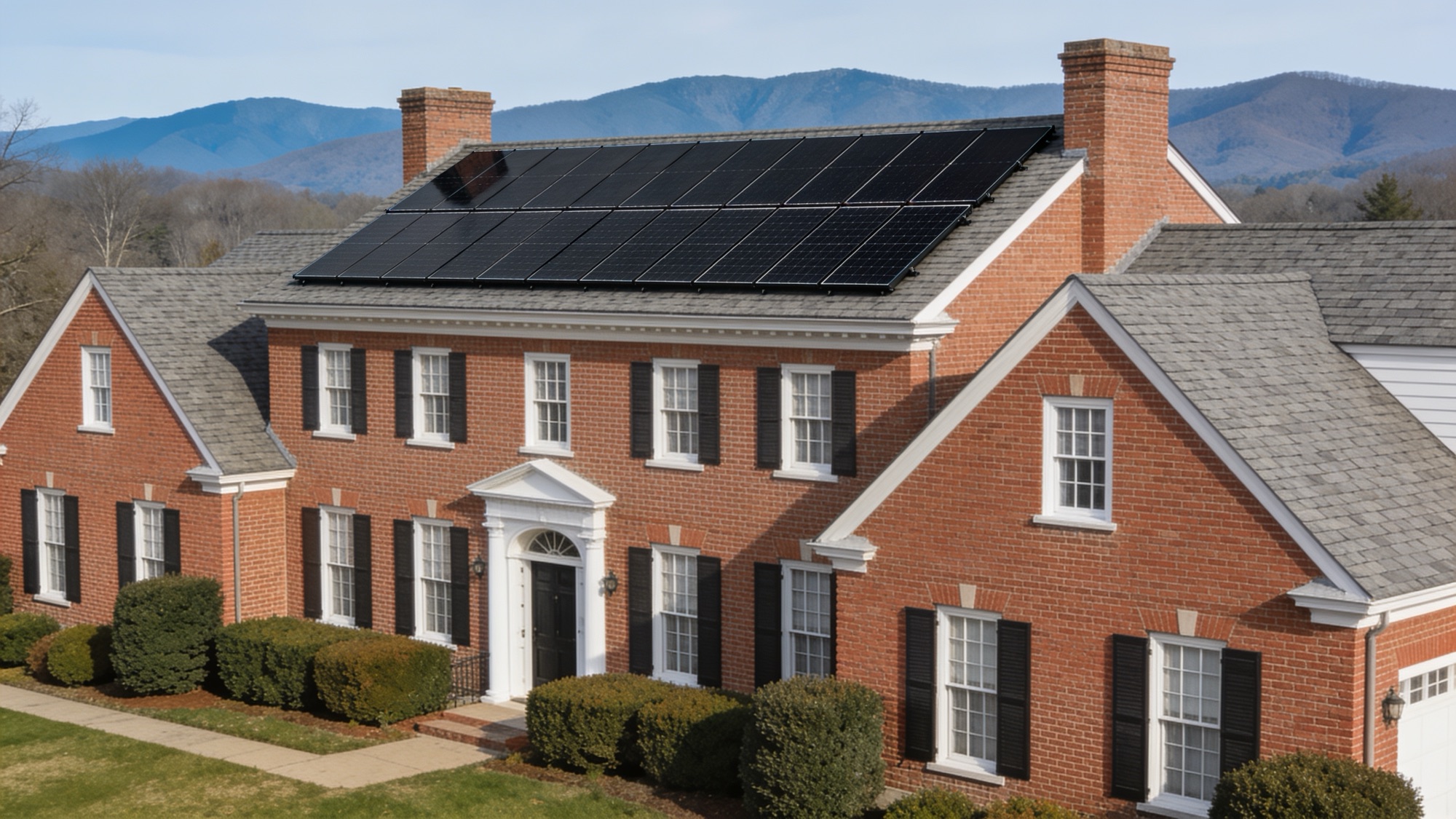
Four things worth knowing in Virginia
An annual netting year
Credits you earn in a sunny month roll forward in kilowatt-hours and offset winter use before anything is settled.
Statewide property tax relief
A residential system of up to 25 kW is its own class of property and exempt from state and local tax.
Room to size ahead
In Dominion territory a home system can be sized beyond last year’s usage, leaving space for an EV or heat pump.
Batteries with a grid role
Dominion’s virtual power plant pilot is built to let enrolled home batteries help the grid at peak times.
What the 2025 and 2026 decisions changed, and what they left alone
Both utilities proposed netting your imports and exports over very short windows — hourly for Appalachian Power, thirty minutes for Dominion. Either plan would have pushed more of your daytime production into the lower export rate. Regulators declined both times.
So the core arrangement holds for new customers too: solar you send out during the day offsets power you draw at night and through the winter, kilowatt-hour for kilowatt-hour, across the whole year. Only the true surplus left when your year closes is paid at the newer, lower rate, and homes already connected keep their original terms.
Net metering across Virginia’s three kinds of utility
| Dominion Energy | Appalachian Power | Electric cooperatives | |
|---|---|---|---|
| Netting period | Twelve months | Twelve months | Twelve months |
| Residential size ceiling | 25 kW | 25 kW | 20 kW |
| Sizing against your usage | May exceed your past year’s use | Up to your past year’s use | Up to your expected use |
| Most recent review | Final order April 2026 | Final order August 2025 | Set under a separate Code section |
| If you connected earlier | Original terms continue | Original terms continue | Ask your co-op |
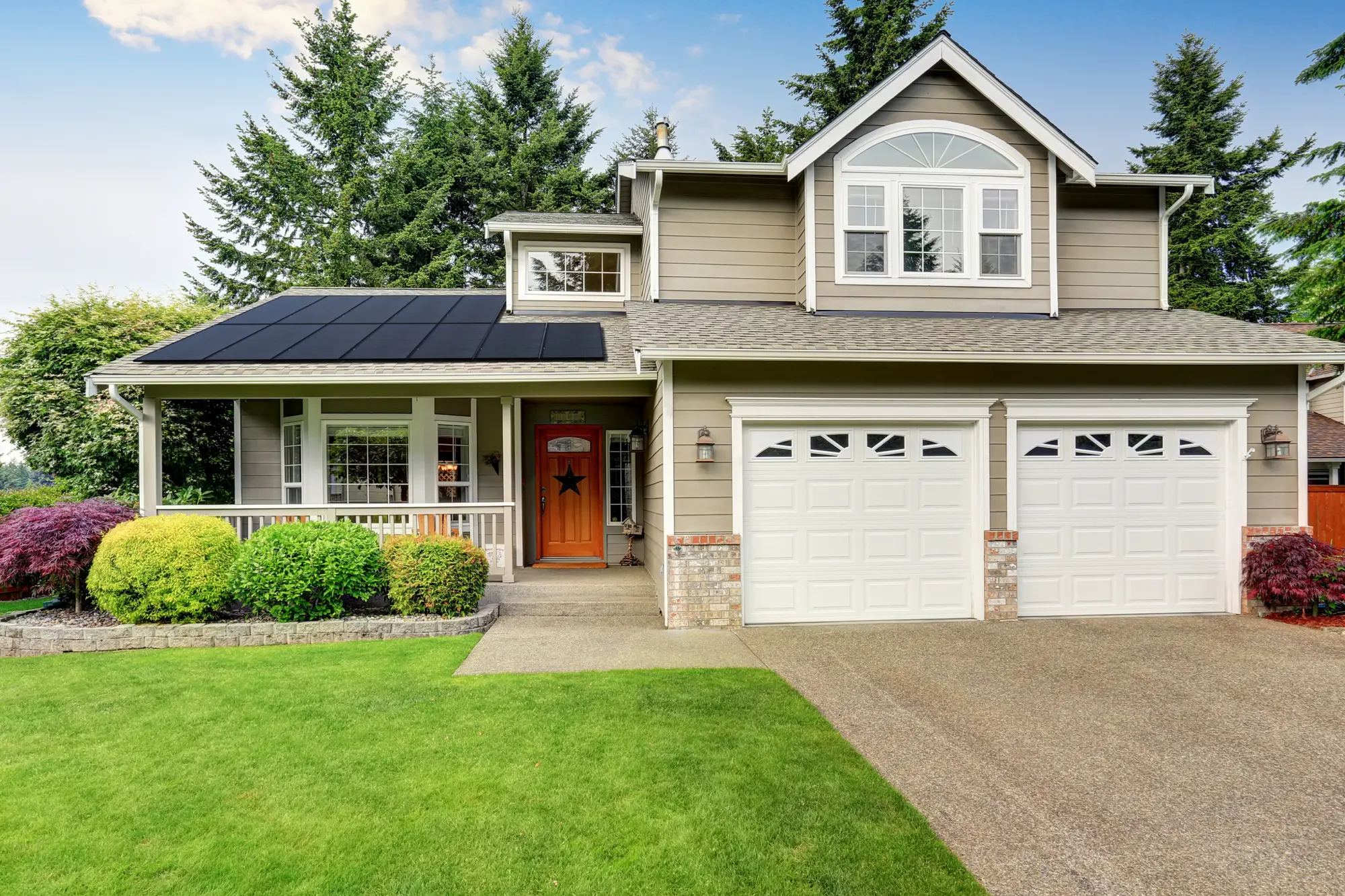
One property tax answer, from Loudoun to Lee County
Until 2023, whether solar equipment was taxed depended on where you lived, because exemptions were a local option that only some counties and cities adopted. A 2022 law replaced that patchwork. A residential system of up to 25 kW, installed under the state’s rules for rooftop and residential solar, is now a separate class of property, wholly exempt from state and local taxation.
A typical home array therefore adds nothing to your tax bill anywhere in Virginia. Local exemption ordinances, such as Loudoun County’s, still matter for larger systems, and we check which rules reach yours before the design is fixed.
Who owns your wires sets your terms
Dominion Energy Virginia
Dominion serves most of the state’s population — Northern Virginia, the Richmond region, Hampton Roads and much of the Piedmont. New customers connect under the successor tariff from the April 2026 order, which keeps annual netting and lets a residential system be sized above the previous year’s consumption. It is also where the virtual power plant pilot runs.
Appalachian Power and Old Dominion Power
Appalachian Power covers the Roanoke Valley, Lynchburg, the New River Valley and much of Southwest Virginia; Old Dominion Power serves a pocket of the far southwest. Appalachian Power’s August 2025 order kept the annual netting year and changed only the rate for year-end surplus. Systems here are sized up to your past year’s usage, so accurate load data comes first.
Electric cooperatives and town utilities
Much of rural and exurban Virginia is served by member-owned cooperatives — Rappahannock Electric Cooperative, NOVEC and Shenandoah Valley Electric Cooperative among them. Co-ops run net metering under their own section of the Code, with a twelve-month netting period, a smaller residential size ceiling and some terms set by each board. A few towns, including Danville and Harrisonburg, run their own electric systems with their own rules.

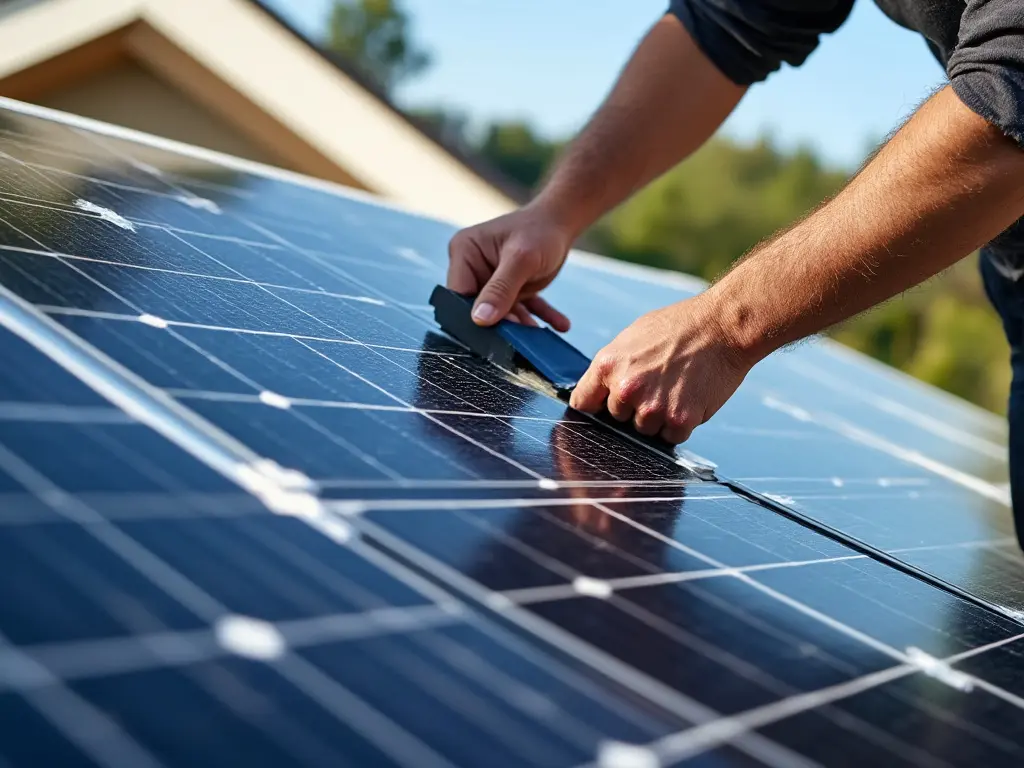
Four decisions, in the order Virginia rewards
In Virginia the tariff, the sizing rule and the zoning check all come before hardware. We work through them like this:
- Pin down who serves your meter — Dominion, Appalachian Power or a co-op, and whether you would join under the newer terms
- Plan for the next few years of usage — an EV or heat pump you are adding changes the right size, and Dominion leaves room for it
- Check zoning and any historic district — rooftop solar is allowed by right, within height, setback and local district rules
- Decide on storage at design time — adding a battery now, with the grid programme in view, is simpler than retrofitting one
From Tidewater to the Blue Ridge, designed for where you live
Virginia’s long, bright summers line up with the afternoons when air conditioning works hardest. The design detail then follows the terrain. Near the coast in Hampton Roads, we specify racking and attachment for tropical-storm wind. Across the Piedmont, the work is mostly about orienting around mature hardwoods.
In the Shenandoah Valley and the mountains of the southwest, winter sun sits lower and snow is a real if occasional visitor, so tilt and spacing do more of the work. In older neighbourhoods of Richmond, Alexandria or Williamsburg, a historic district review often shapes where panels go.
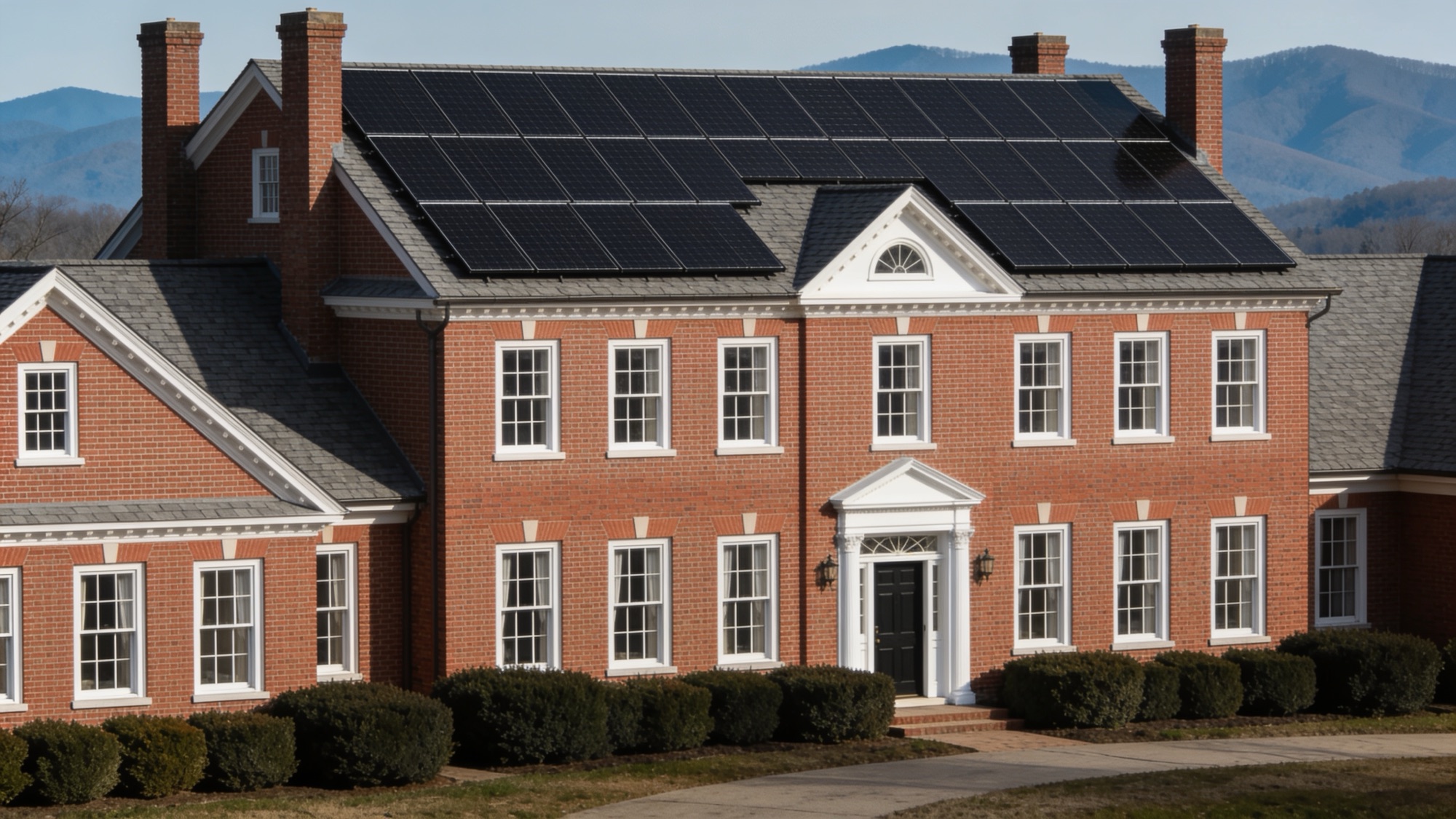
What Virginia homeowners ask us to look at

Batteries and backup
Coastal storms and ice in the hills both test the lines. A battery carries you through, and in Dominion territory it may also earn a grid role. Explore storage
Roofs under the array
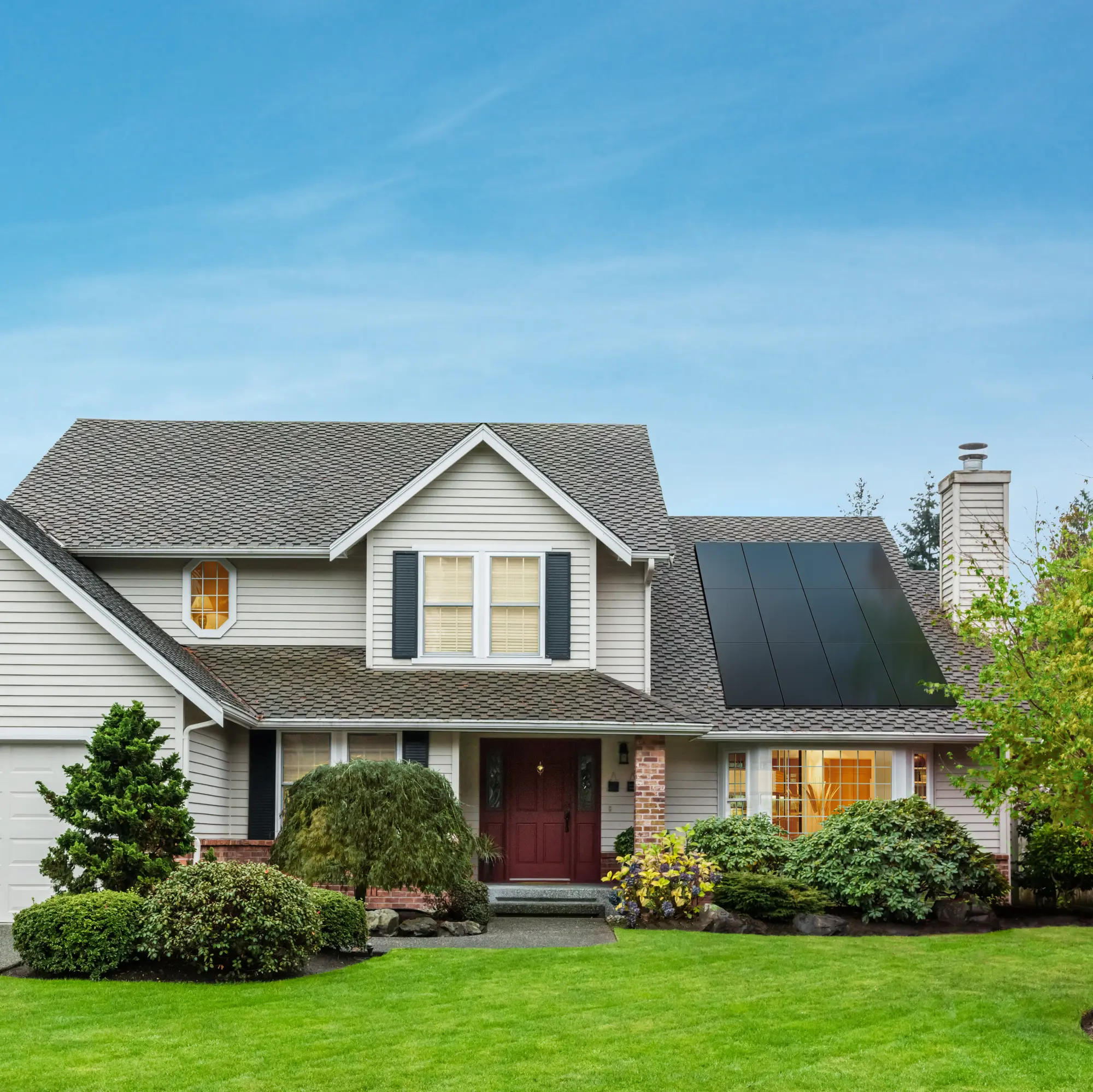
An array should outlast the shingles beneath it. If yours are near the end, replace the roof first, or use detach and reattach on an existing system.
Charging and smart control
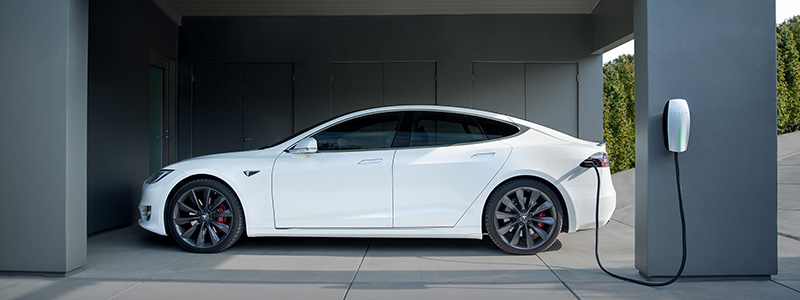
Virginia commutes are long, and an EV adds real load. Home EV charging paired with smart-home controls lets your array cover more of it.
Virginia questions we hear most
I already have solar on Dominion or Appalachian Power. Did the rulings change my terms?
No. Both orders protect customers who were connected before they took effect, so your existing arrangement continues. The newer terms apply to systems connecting afterwards, and lower-income households can choose whichever set of terms suits them better.
Will panels raise my property tax?
Not for a typical home system. Residential installations of up to 25 kW, built under the state’s residential solar rules, are exempt from state and local taxation in every Virginia locality. Larger systems depend on local ordinances.
Can I size my system for an electric car I have not bought yet?
In Dominion territory, yes — a residential system can be sized above your past year’s usage, which is meant for exactly this. With Appalachian Power or a co-op, sizing follows your existing or expected usage, so we plan the array and new loads together.
What can a home battery do for me in Virginia?
First, it keeps your essentials running when storms bring lines down. Beyond that, Dominion’s virtual power plant pilot is designed to let enrolled home batteries support the grid at peak times. We will tell you where enrolment stands when we speak.
Wherever you are in Virginia, tell us your utility, roughly when your roof was last replaced and whether a new car or heat pump is on the way. We will show you how the current net metering terms and the property tax exemption apply to your home, and what a system designed around them looks like.